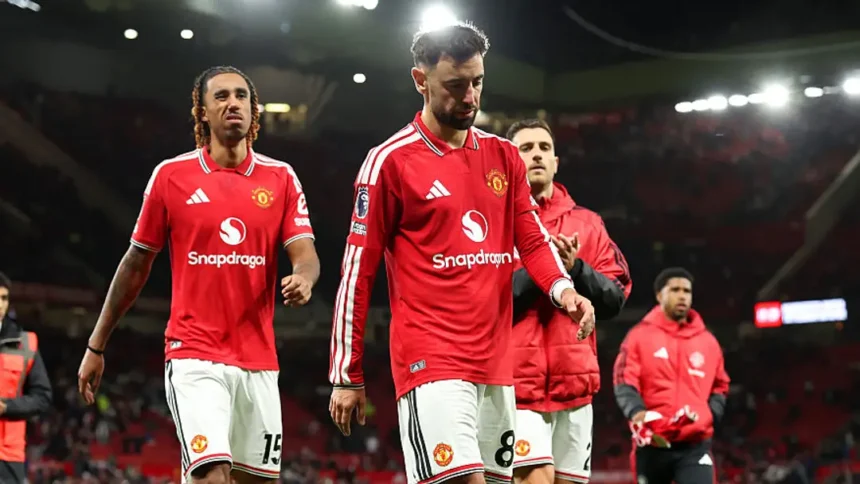
Manchester United have endured their worst start to a Premier League season since the competition began in 1992, leaving Michael Carrick facing serious questions after collecting just six points from their opening six matches of the 2026–27 campaign.
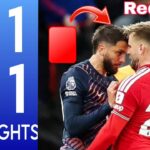
United’s 1–1 draw against Tottenham Hotspur on Saturday extended their disappointing run, despite Spurs starting the weekend at the bottom of the Premier League table and being reduced to 10 men after falling behind less than 20 minutes from the end.
The result left the Red Devils averaging just one point per game, their poorest opening six fixtures in the Premier League era. The last time they performed worse over the same period was in the autumn of 1986, when Ron Atkinson’s side managed only four points from their first six league matches.
Manchester United’s Worst Start Since 1986
United’s current struggles have revived memories of the club’s difficult 1986–87 campaign, which ultimately ended with Atkinson losing his job.
The club’s opening six matches that season produced four points, while their latest run has yielded six. However, the comparison remains concerning for Carrick because United had previously recorded similarly poor starts without matching their current lack of points after six games.
In 2014–15, Louis van Gaal’s team collected five points from their opening five Premier League fixtures but won their sixth match to improve their position.
This season’s results have left United with little room for optimism. Their early schedule has exposed problems in both performance and consistency, with dropped points against struggling opposition adding to the pressure on the manager.
The situation also highlights how quickly circumstances can change at Old Trafford. United finished Carrick’s 17-match audition in the second half of last season with the best points haul in the Premier League during that period, raising expectations ahead of the new campaign.
Carrick Admits Manchester United Must Improve
Carrick has repeatedly pointed to fine margins as the reason behind United’s disappointing results, but the pattern of performances has become increasingly difficult to ignore.
Everton scored a late equaliser to deny United a victory earlier in the season, while Manchester City’s derby-winning goal was widely disputed. An own goal also cost the Red Devils against Fulham, before Tottenham struck late to claim another point.
Carrick acknowledged the impact of those moments but insisted his team must take responsibility for its results.
“That’s two late goals that have hurt us a little bit this season—everything looks very different if they change. But the reality is what it is, and we need to accept it and do better,” he said.
However, United’s difficulties extend beyond individual incidents. Their attacking performances have been underwhelming, while their inability to dominate matches against struggling opponents has raised further concerns.
Former United captain Gary Neville was particularly critical of the team’s display against Fulham before the international break, describing the first 15 minutes after half-time as the worst he had witnessed in 45 years of supporting the club.
United also struggled to create opportunities against Tottenham. They registered just 0.05 expected goals (xG) by half-time and finished the match with only 0.77, underlining their attacking limitations.
Manchester United Face Difficult Fixtures
The pressure on Carrick could intensify over the coming weeks as United prepare for a demanding run of fixtures.
Their next opponents include Atletico Madrid in the Champions League and Leeds United in the Premier League, two sides expected to test their intensity and work rate.
United have also faced criticism over the distance covered by their players, with the team ranking towards the bottom of the league standings in that category this season.
The concern is particularly significant given the number of matches approaching. United are scheduled to play seven more games before the next international break, with Como, Roma, Chelsea and Aston Villa also among their upcoming opponents.
Their performance against Tottenham offered little evidence of a team ready to build momentum, despite having players who enjoyed a productive end to last season.
Could Carrick’s Future Be at Risk?
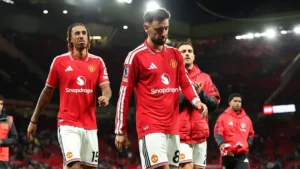
United’s current position inevitably invites comparisons with the club’s previous managerial crisis in 1986.
Atkinson remained in charge for several more matches after United’s difficult start, but a poor run that included defeats against Everton and Chelsea and a draw with Nottingham Forest left the club 21st in a 22-team league.
Alex Ferguson arrived in November 1986 after establishing himself as one of Britain’s most respected managers through his achievements with Aberdeen, including their European Cup Winners’ Cup triumph against Real Madrid in 1983.
His early years at Old Trafford were not immediately successful, but he gradually transformed the club’s culture and rebuilt the squad before delivering sustained success.
Carrick’s situation is different, but United’s historical struggles serve as a reminder of how quickly poor results can threaten a manager’s position at the club.
For now, Carrick must find a way to restore confidence, improve United’s attacking output and turn narrow setbacks into positive results. With difficult fixtures approaching, the coming weeks could prove decisive in determining whether the promising end to last season was the beginning of a genuine revival or merely a temporary upturn.