

The Africa Cup of Nations could continue to be held every two years, with CAF expected to reconsider its decision to move the competition to a four-year cycle.
According to reports, a vote on the future of the AFCON schedule is expected at CAF’s Executive Committee meeting in Cape Verde today, Friday.
The Touchline confirmed saying: The Africa Cup of Nations could stay as a tournament held every two years.
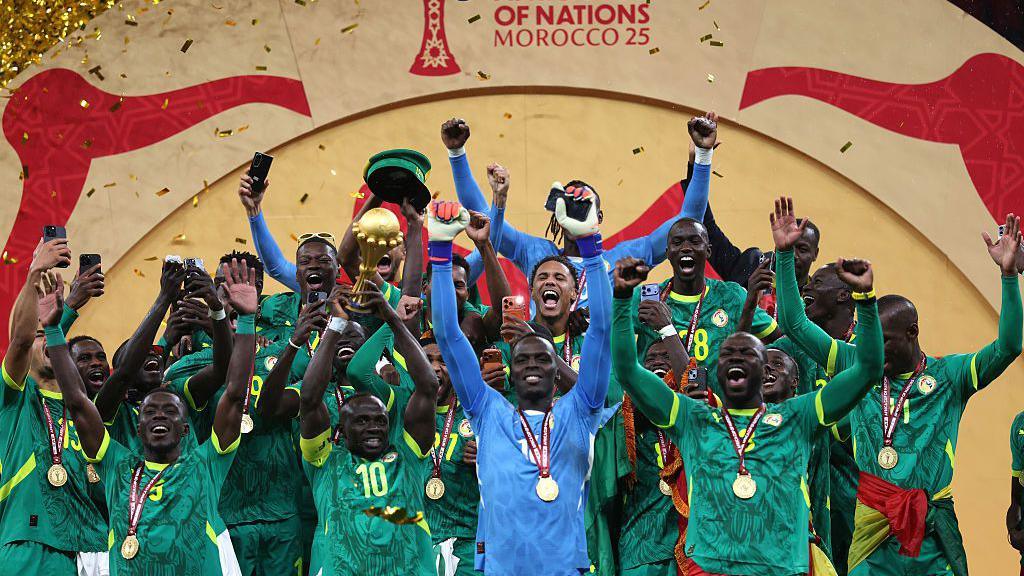
“A vote is expected this friday during CAF’s executive committee meeting in Cape Verde.
“No final decision has been made yet.
However, no final decision has been confirmed, and the biennial format remains a proposal rather than an officially approved change.
The possible return to a two-year schedule comes around 10 months after CAF announced plans to move the Africa Cup of Nations to a four-year cycle.
That decision sparked debate across African football, with questions raised about the impact on national teams, players, supporters and the wider football calendar.
AFCON is one of the biggest football competitions in the world and a major event for African countries.
The tournament gives national teams the chance to compete for continental glory while allowing players to represent their countries on a major international stage.
Holding the competition every two years also gives African football regular opportunities to attract global attention, bring supporters together and generate income through sponsorship, broadcasting and ticket sales.
However, changing the tournament schedule is not a simple decision. CAF must consider the demands of international football, the busy club calendar and the interests of African football associations.
A four-year cycle could offer more time between tournaments, while a return to the traditional two-year format would keep AFCON closer to its long-standing schedule.
The latest development has also raised questions about the reasons behind CAF’s earlier decision and whether the organisation is now considering a different approach to the competition’s future.
CAF President Patrice Motsepe and the organisation’s leadership face an important decision that could shape African football for years to come.
The outcome could affect how often national teams compete for the continental title and how the tournament fits into the wider international football calendar.

For now, football fans across Africa will be watching closely for an official announcement from CAF. Until the governing body confirms its position, it would be premature to say that AFCON will definitely return to a two-year schedule.
The key question remains whether CAF will keep the four-year plan or restore the traditional biennial format. The expected discussions in Cape Verde could provide a clearer picture of the competition’s future.
A decision is expected to be made later on with official confirmation on what happened during the meeting. For now, everything remains in the air with no decision taken.