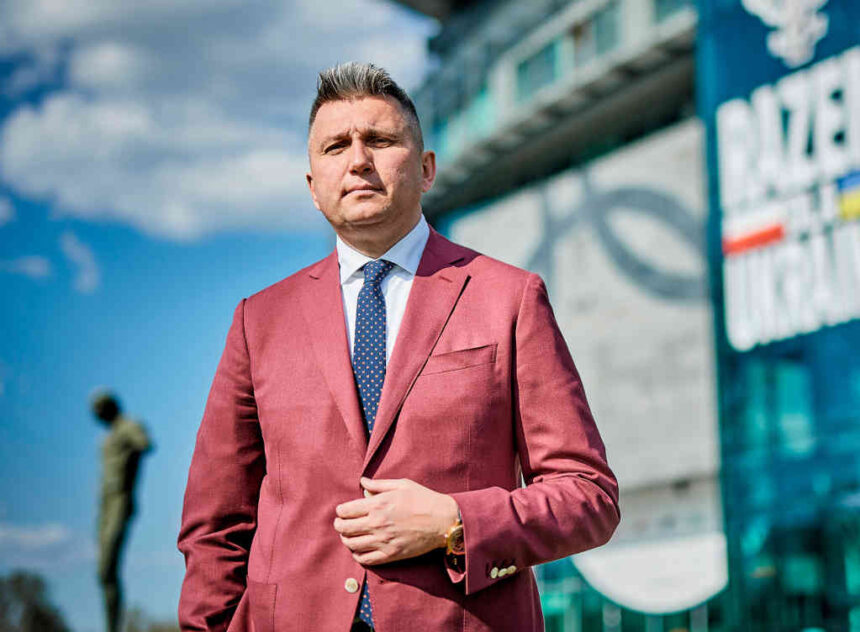
Radosław Piesiewicz is a well-recognized figure in Polish sports administration, a big personality who has, over the years, built a reputation for himself.
He is known as a lawyer, sports executive, and business professional who has held some of the most influential positions in Polish sport.
His rise through basketball administration and eventual election as President of the Polish Olympic Committee brought him into the spotlight both in Poland and internationally.
Who Is Radosław Piesiewicz?
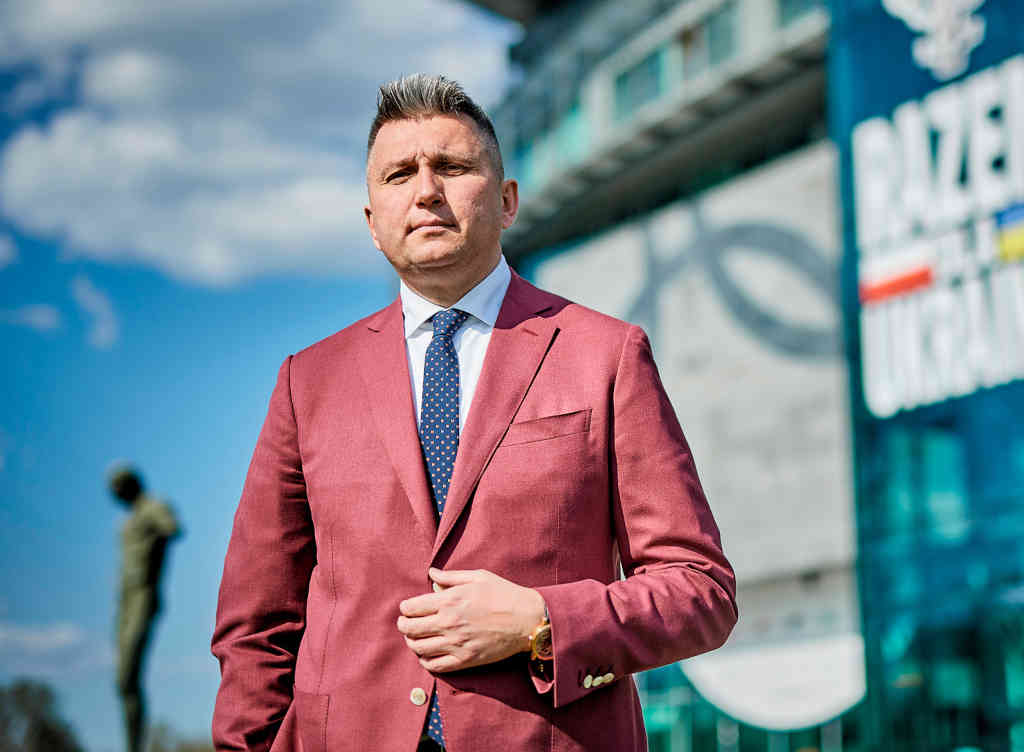
He was born in Warsaw, Poland, in 1981. Radosław Piesiewicz pursued higher education at the University of Warsaw, where he graduated from the Faculty of Law and Administration.
In addition to his law degree, he completed postgraduate studies in project management, real estate brokerage, property management, and later earned an MBA qualification.
His educational background helped him build a strong foundation in management, law, and business administration. These skills later became important as he moved into leadership positions within Polish sports organizations.
Piesiewicz also developed experience in business and organizational management before becoming a leading figure in Polish sports governance.
His ability to combine legal knowledge with business strategy contributed to his rise within several sporting institutions.
Career
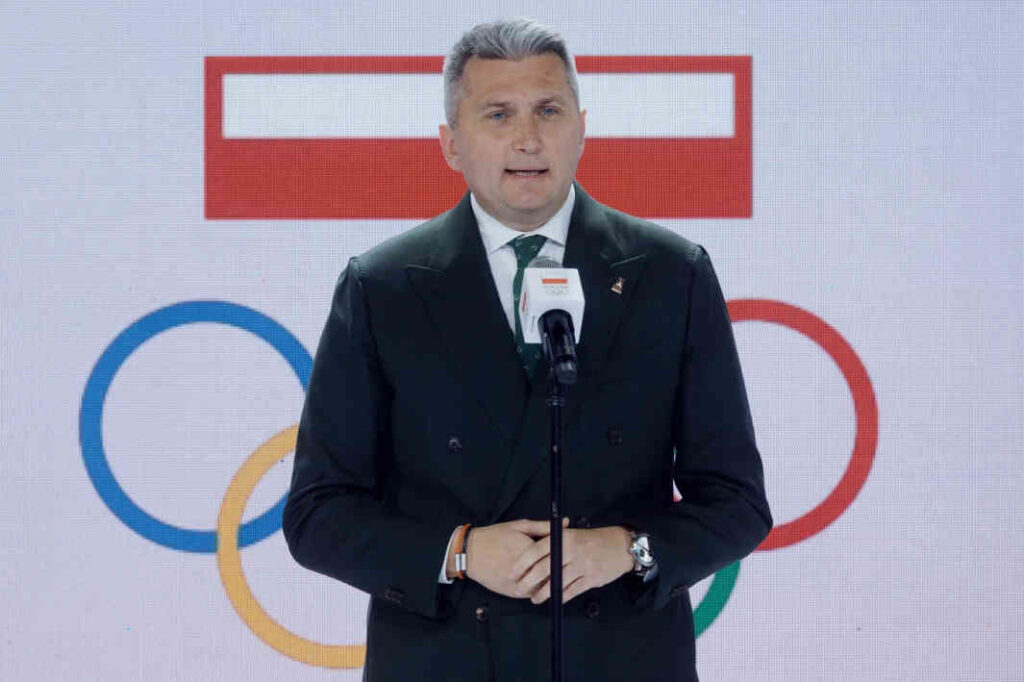
Radosław Piesiewicz’s career has largely been defined by sports management and leadership. One of his most notable roles came within the Polish Basketball Federation.
He became a key figure in basketball administration and later served as President of the Polish Basketball Federation, helping oversee the development of the sport across the country.
Under his leadership, the federation managed national basketball programs and represented Poland within international basketball organizations.
His influence in Polish sports continued to grow as he became involved with other sports organizations and administrative bodies.
Through these roles, he gained experience managing sponsorship agreements, organizational strategy, athlete support programs, and relationships with international sporting institutions.
A major turning point in Radosław Piesiewicz’s career came in April 2023 when he was elected President of the Polish Olympic Committee. He succeeded long-serving president Andrzej Kraśnicki and became one of the most influential sports administrators in the country.
As President of the Polish Olympic Committee, Piesiewicz became responsible for overseeing Poland’s Olympic movement, supporting athletes, coordinating Olympic participation, and representing Polish sports on the international stage.
His leadership coincided with preparations for major international competitions, including Olympic events and international championships. During this period, he worked on securing sponsorship agreements and strengthening the committee’s financial position.
Supporters have often pointed to his business-oriented approach and efforts to attract commercial partners as important parts of his leadership style. His experience in both law and business enabled him to navigate complex organizational challenges while promoting the interests of Polish athletes.
Personal Life, Controversies, and Legacy
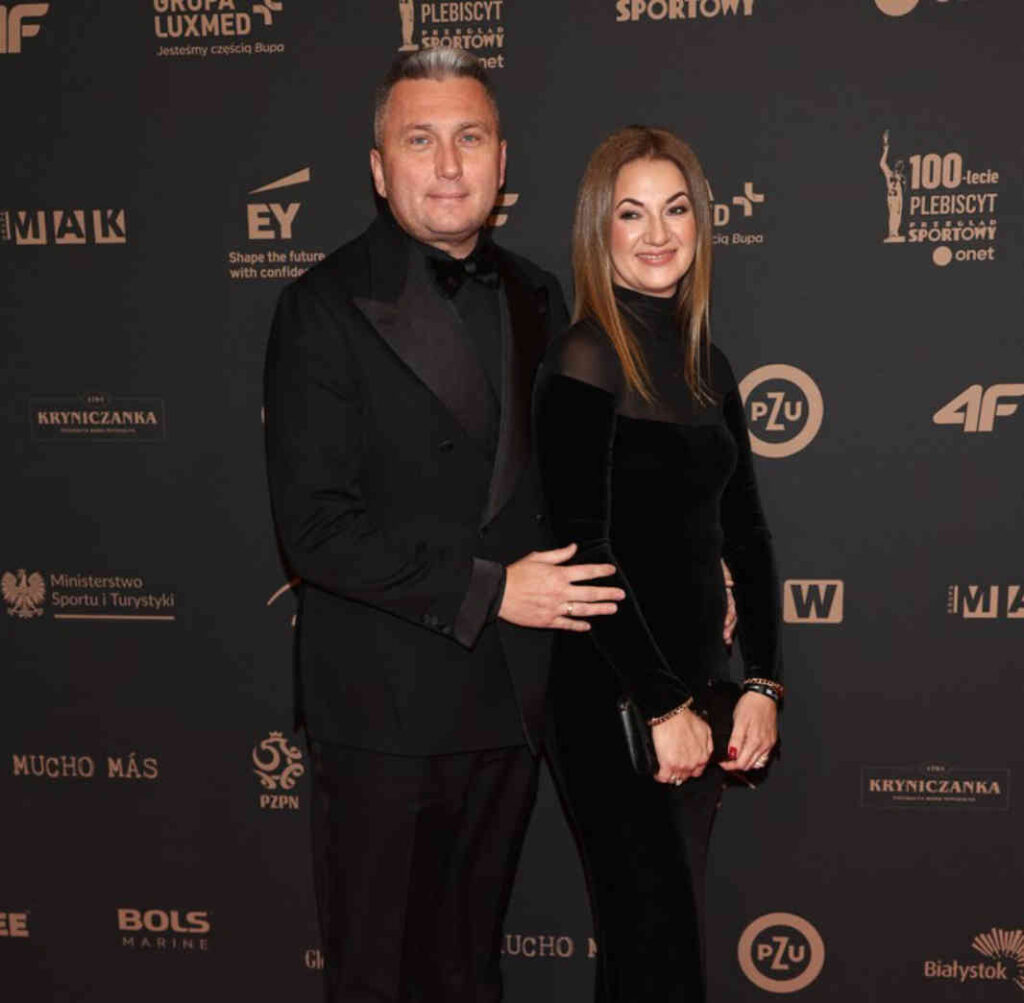
There is only little information available about Radosław Piesiewicz’s family and personal life.
He has generally maintained a more private approach regarding family matters, preferring public attention to remain focused on his professional activities.
As a result, most available information centers on his work in sports administration rather than his personal relationships or lifestyle. In recent years, however, the Radosław Piesiewicz biography has become increasingly connected to controversy.
Several reports in Poland have focused on sponsorship arrangements involving the Polish Olympic Committee and cryptocurrency-related partnerships. These issues generated significant public debate and political attention.
In 2026, multiple media outlets reported investigations related to sponsorship agreements connected to the cryptocurrency platform Zondacrypto. Authorities launched inquiries into allegations surrounding those relationships, while Piesiewicz denied wrongdoing.
The controversy intensified when reports emerged about calls for his resignation from some officials and sports figures. Additional reports in August 2026 stated that he was arrested as part of an investigation related to the broader Zondacrypto case.
Legal proceedings remain subject to ongoing judicial processes, and allegations should not be treated as proven facts unless confirmed by the courts. Despite these challenges, Piesiewicz remains an important figure in discussions about modern Polish sports governance.
His supporters highlight his administrative experience, leadership in basketball, and role in securing commercial opportunities for sports organizations. Critics, meanwhile, argue that recent controversies have damaged public trust in sports administration.
When discussing the legacy of Radosław Piesiewicz, it is important to recognize both sides of the story. His rise from legal and business circles to the presidency of the Polish Olympic Committee demonstrates significant professional achievement.
At the same time, recent controversies have become a major part of public conversations surrounding his leadership.
As developments continue, the story of Radosław Piesiewicz remains one of the most closely watched topics in Polish sports administration.
Whether viewed through the lens of leadership, business management, or controversy, his impact on Polish sport is likely to remain a subject of discussion for years to come.
Radosław Piesiewicz Net Worth
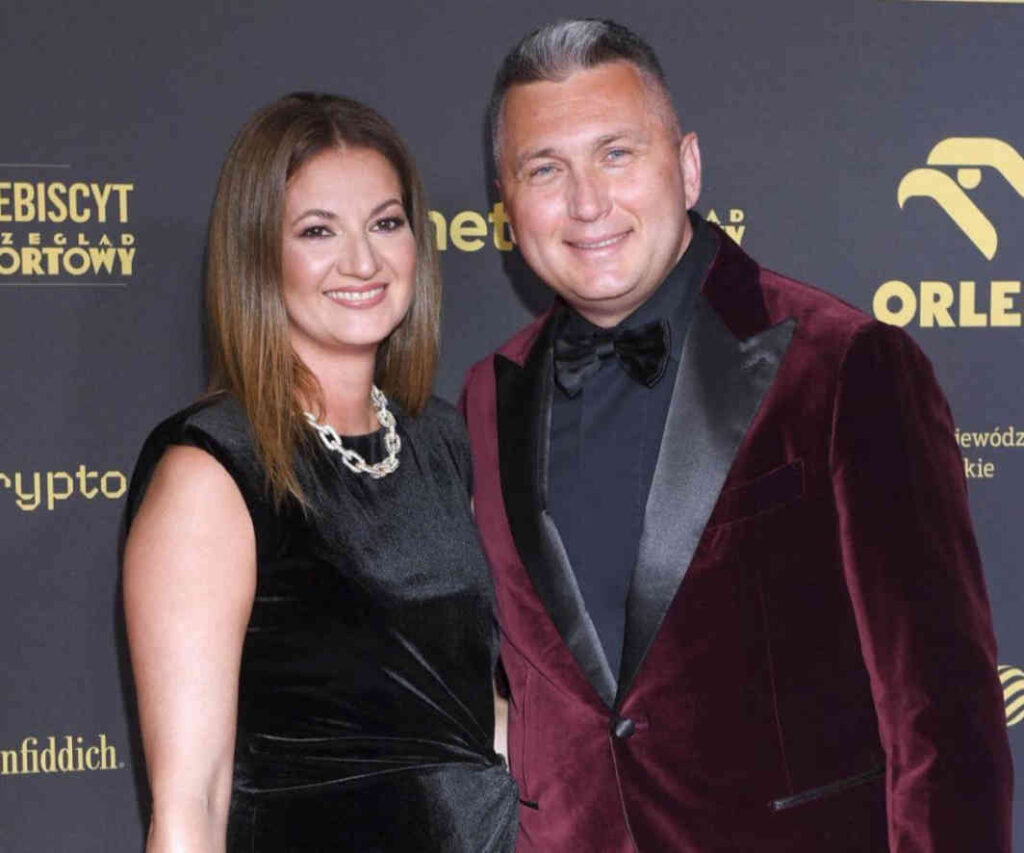
Radosław Piesiewicz’s net worth is estimated at $5 million. He has built his professional career through several fields, including law, business management, sports administration, and organizational leadership.
His educational qualifications in law, project management, and business administration suggest a career that extends beyond sports alone.
As President of the Polish Olympic Committee and a leader within the Polish Basketball Federation, he has held positions with significant administrative responsibilities.
His roles involve managing sponsorship relationships, strategic planning, and organizational development.