

For a brief period, Kamila Valieva looked destined to redefine women’s figure skating.
The Russian skater burst onto the senior international scene with a blend of technical difficulty, artistry, and composure that few athletes in the sport’s history had matched at such a young age.
She broke world records, became the first woman to surpass several scoring milestones under the International Skating Union judging system, and entered the Beijing 2022 Winter Olympics as the overwhelming favorite for the women’s singles gold medal.
Everything changed during those Olympic Games. A positive test for the prohibited heart medication trimetazidine from a sample collected in December 2021 became public after Russia had already won the Olympic team event.
What followed became one of the biggest controversies in modern Olympic history, leading to years of legal proceedings before the Court of Arbitration for Sport ultimately imposed a four-year suspension, disqualified her competitive results dating back to December 25, 2021, and reshaped the Olympic medal standings.
The case transformed Valieva from one of the sport’s brightest young stars into one of its most debated athletes. It also prompted broader discussions about athlete welfare, anti-doping procedures involving minors, coaching practices, and the minimum age required to compete in senior international figure skating.
Away from the headlines, Valieva remains one of the most naturally gifted skaters of her generation. Her performances during the 2021 and 2022 seasons produced several world record scores that still stand because they were achieved under the previous ISU judging system before the scoring scale changed.
During her rise, she became known for combining quadruple jumps with elegant choreography, exceptional flexibility, and remarkable musical interpretation, qualities that made many skating experts consider her one of the sport’s most complete performers.
Following the conclusion of her suspension, Valieva returned to domestic competition in Russia in early 2026. However, she remained ineligible for the Milano Cortina Winter Olympics because she did not qualify through the required process.
Her return marked another chapter in one of figure skating’s most extraordinary careers, one that continues to generate debate across the sporting world.
Table of Contents
Kamila Valieva Biography
She was born on April 26, 2006, in Kazan, the capital of Russia’s Republic of Tatarstan. Kamila Valeryevna Valieva spent her early childhood there before relocating to Moscow to pursue elite figure skating training, a move that dramatically changed the course of her sporting career.
Like many successful Russian skaters, Valieva began skating as a young child after trying several different activities. She reportedly participated in gymnastics, ballet, and dance before figure skating became her primary focus.
Those early experiences helped develop the flexibility, posture, balance, and artistic expression that later became defining features of her skating style.
Publicly available information about Valieva’s family remains limited. She has largely kept her parents and relatives away from media attention, and they have rarely given interviews.
As a result, there is no verified public evidence confirming the professions of her parents or detailed information about her immediate family.
Her move to Moscow allowed her to join one of the world’s most successful figure skating programs.
Training within Russia’s highly competitive system accelerated her development and placed her alongside several future Olympic and world medalists.
Career

Kamila Valieva’s rise through figure skating ranks was one of the fastest and most remarkable in the sport’s modern era.
Within only a few seasons, she progressed from a promising junior prospect to the highest-scoring women’s singles skater in the world, setting multiple world records before turning 16 and establishing herself as the overwhelming favorite for Olympic gold.
Her combination of technical precision, artistic presentation, flexibility, and consistency distinguished her from many of her contemporaries.
During the peak of her career, skating analysts frequently described Valieva as one of the most complete female skaters ever produced by Russia’s elite development system.
Valieva began skating in 2009 at the age of three in her hometown of Kazan. Like many young Russian skaters, she initially viewed figure skating as one of several childhood activities before gradually demonstrating exceptional natural ability.
Her coaches quickly noticed her balance, flexibility, musical timing, and willingness to master difficult technical elements. As her potential became increasingly evident, her family made the decision to relocate to Moscow so she could train in a more competitive environment with access to Russia’s strongest coaching programs.
The move proved to be the defining decision of her sporting career.
Eteri Tutberidze’s Training Group
In 2018, Valieva joined Sambo 70 under renowned coach Eteri Tutberidze alongside assistant coaches Sergei Dudakov and Daniil Gleikhengauz.
By then, Tutberidze’s coaching team had already developed Olympic champion Alina Zagitova and Olympic silver medalist Evgenia Medvedeva.
The group later produced Anna Shcherbakova, Alexandra Trusova, Aliona Kostornaia, and Adeliia Petrosian, creating one of the most successful coaching systems in figure skating history.
Training inside such a demanding environment accelerated Valieva’s technical development. Within months, she had mastered increasingly difficult jump combinations while simultaneously improving the choreography and performance quality that later became hallmarks of her skating.
Junior Career Success
Valieva made her Junior Grand Prix debut during the 2019 and 2020 seasons and immediately established herself among the world’s leading junior skaters.
She won both of her Junior Grand Prix assignments before capturing the Junior Grand Prix Final title with commanding performances.
Her momentum continued into the 2020 World Junior Championships in Tallinn, Estonia. Despite the disruption caused by the COVID-19 pandemic, Valieva delivered two outstanding programs to win the World Junior Championship by a comfortable margin, confirming herself as the leading prospect in women’s figure skating.
The victory represented more than another gold medal. It demonstrated that Valieva possessed the technical consistency and competitive temperament required to succeed at the senior level against the world’s best skaters.
Breakthrough at Senior Level
Valieva officially entered senior international competition during the 2021 and 2022 seasons. Her impact was immediate. She won the Finlandia Trophy in her senior international debut.
She became the first woman in history to break the 170-point barrier in the free skate and the 250-point barrier overall under the International Skating Union judging system.
Those performances established new world records. Her dominance continued throughout the Grand Prix season. Valieva won Skate Canada International before claiming another victory at Rostelecom Cup, qualifying comfortably for the Grand Prix Final before that event was ultimately canceled because of the COVID-19 pandemic.
Across those competitions, she consistently landed quadruple jumps with exceptional execution while also receiving some of the highest program component scores in the world for artistry, skating skills, interpretation, and choreography.
Winning the European Championship
In January 2022, Valieva entered the European Figure Skating Championships in Tallinn as the clear favorite. She lived up to expectations.
After leading the short program, she delivered another outstanding free skate to win the European title, finishing well ahead of compatriots Anna Shcherbakova and Alexandra Trusova.
The victory made her the European champion in her first senior international season. It confirmed her status as the leading contender for Olympic gold only weeks before the Beijing Winter Games.
Before arriving in Beijing, Valieva had become one of the highest scoring women in figure skating history. During the 2021 and 2022 seasons, she set world records in all three scoring categories under the ISU judging system.
Valieva also became one of only a small number of women capable of consistently landing quadruple jumps in international competition, helping push the technical standard of women’s figure skating to unprecedented levels.
Although later rule changes introduced a different judging scale, her performances remain among the defining programs of her generation and continue to be studied by coaches, athletes, and skating analysts around the world.
Beijing 2022 Winter Olympics
The 2022 Winter Olympics in Beijing were expected to become Kamila Valieva’s crowning achievement. Entering the Games as the reigning European champion and the highest-scoring women’s singles skater in history, she was widely regarded as the overwhelming favorite to win Olympic gold.
Instead, the competition became one of the most controversial moments in modern Olympic history and fundamentally changed both Valieva’s career and the public conversation surrounding elite figure skating.
Valieva made her Olympic debut in the figure skating team event, where each nation fields skaters across the men’s, women’s, pairs, and ice dance disciplines.
Competing for the Russian Olympic Committee because Russia was prohibited from competing under its national flag due to previous anti-doping sanctions, Valieva delivered two exceptional performances.
She won both the women’s short program and free skate, helping the Russian Olympic Committee finish first ahead of the United States and Japan.
One performance immediately entered the history books. Valieva became the first woman ever to successfully land a quadruple jump in Olympic competition, executing a quad Salchow during the free skate.
The achievement was widely celebrated as one of the defining technical milestones in women’s figure skating. The medal ceremony, however, never took place.
Within days, the International Testing Agency announced that a delayed laboratory result from a sample collected at the Russian National Championships in December 2021 had returned an adverse analytical finding for trimetazidine, a substance prohibited by the World Anti-Doping Agency.
The announcement transformed the Olympic Games. Instead of celebrating a teenage sporting sensation, international attention shifted toward legal proceedings, anti-doping regulations, and the responsibilities of coaches, doctors, and sporting authorities in protecting young athletes.
The Women’s Singles Competition
Despite the positive test result, Valieva was permitted to compete in the women’s singles event following a ruling by the Court of Arbitration for Sport. The court did not determine whether she had committed an anti-doping rule violation.
Instead, it ruled that because Valieva was 15 years old, she qualified as a protected person under the World Anti-Doping Code and should be allowed to compete while the case remained unresolved.
The decision generated intense international debate. Many athletes, officials, and anti-doping experts questioned whether permitting her to compete was fair to the rest of the field.
Others argued that responsibility for the situation rested primarily with the adults supervising a minor athlete.
The unprecedented media attention created extraordinary pressure. Valieva entered the women’s singles competition carrying expectations far beyond those normally experienced by any Olympic debutant.
She led after the short program with another technically brilliant performance that appeared to place Olympic gold within reach.
Everything changed during the free skate. Valieva fell repeatedly, made several major errors, and finished fourth overall after one of the most difficult performances of her career.
Her teammate Anna Shcherbakova won the Olympic gold medal. Alexandra Trusova claimed silver. Kaori Sakamoto of Japan earned bronze.
The emotional aftermath became one of the defining images of the Beijing Games. Television cameras captured Valieva leaving the ice in tears before receiving criticism from members of her coaching team immediately after the performance.
The scenes prompted widespread discussion about athlete welfare, coaching culture, and the immense pressure placed on teenage figure skaters competing at the highest level.
The Olympic Legacy
From a sporting perspective, Beijing demonstrated both the extraordinary heights Valieva could reach and the immense psychological pressure elite athletes can face.
Her quadruple jumps, record-breaking scores, and technical ability confirmed her place among the most gifted skaters of her generation.
The controversy surrounding the Games ensured that discussions about athlete protection, anti-doping procedures, delayed laboratory testing, and coaching practices became inseparable from her Olympic story.
The legal proceedings continued long after the Olympic flame was extinguished, eventually leading to one of the most significant anti-doping rulings in figure skating history.
Doping Case and Four-Year Ban

Kamila Valieva’s anti-doping case became one of the most closely scrutinized legal disputes in Olympic history. The proceedings lasted almost two years and involved the Russian Anti-Doping Agency, the World Anti-Doping Agency, the International Skating Union, the International Olympic Committee, and the Court of Arbitration for Sport.
The outcome reshaped the official results of several major international competitions and effectively halted the career of one of figure skating’s brightest young stars.
The Positive Test
The case centered on a sample Valieva provided on December 25, 2021, during the Russian Figure Skating Championships in Saint Petersburg.
The sample later tested positive for trimetazidine, a prescription heart medication listed as a prohibited substance by the World Anti-Doping Agency because it can enhance endurance and improve recovery under certain conditions.
The laboratory responsible for analyzing the sample did not report the result until February 2022, after Valieva had already competed in the Olympic team event.
That delay became one of the most controversial aspects of the entire case because it allowed her to participate in Beijing before anyone involved knew the result.
Court of Arbitration for Sport Decision
Before the women’s singles competition, the Court of Arbitration for Sport considered whether Valieva should remain suspended during the Olympic Games.
The panel ruled that she could compete while the case was still under investigation. Its decision rested primarily on her status as a protected person under the World Anti-Doping Code because she was younger than 16 at the time.
The ruling did not clear her of wrongdoing or determine the outcome of the case. It addressed only whether she should compete before the investigation concluded.
CAS Final Ruling
On January 29, 2024, the Court of Arbitration for Sport issued its final decision after reviewing extensive evidence presented by all parties.
The court concluded that Valieva had committed an anti-doping rule violation and imposed four years of ineligibility beginning on December 25, 2021, the date the sample was collected.
CAS also disqualified all competitive results obtained after that date. The court stated that Valieva had not established how the prohibited substance entered her system and rejected the explanation presented during the proceedings.
Medal Changes
The ruling had major consequences for international figure skating. Valieva’s results from the 2022 European Championships and other competitions after December 25, 2021, were disqualified.
The International Skating Union subsequently adjusted the official standings where required. The International Olympic Committee also revised the results of the Olympic team event.
The United States was officially awarded the gold medal. Japan received silver. The Russian Olympic Committee was awarded bronze after the recalculation of team scores.
Those changes finally resolved one of the longest-running medal disputes in Olympic history.
Suspension and Future Eligibility
Valieva’s four-year suspension prevents her from participating in competitions governed by organizations that follow the World Anti-Doping Code until the ban expires.
She is also prohibited from training at facilities connected with signatories to the Code during much of the suspension period under the applicable anti-doping regulations.
The ruling significantly altered what had appeared to be one of the most promising careers in modern figure skating.
Before the case, Valieva had already won the European Championship, the World Junior Championship, multiple Grand Prix titles, and set several world records.
The suspension interrupted her competitive career during years widely regarded as an athlete’s physical peak. Even so, Kamila Valieva remains one of the most technically influential skaters of her generation.
Her performances continue to be studied by coaches and athletes. At the same time, her case has become a landmark example in discussions about anti-doping policy, athlete welfare, and the responsibilities of adults overseeing elite junior competitors.
Kamila Valieva’s Net Worth
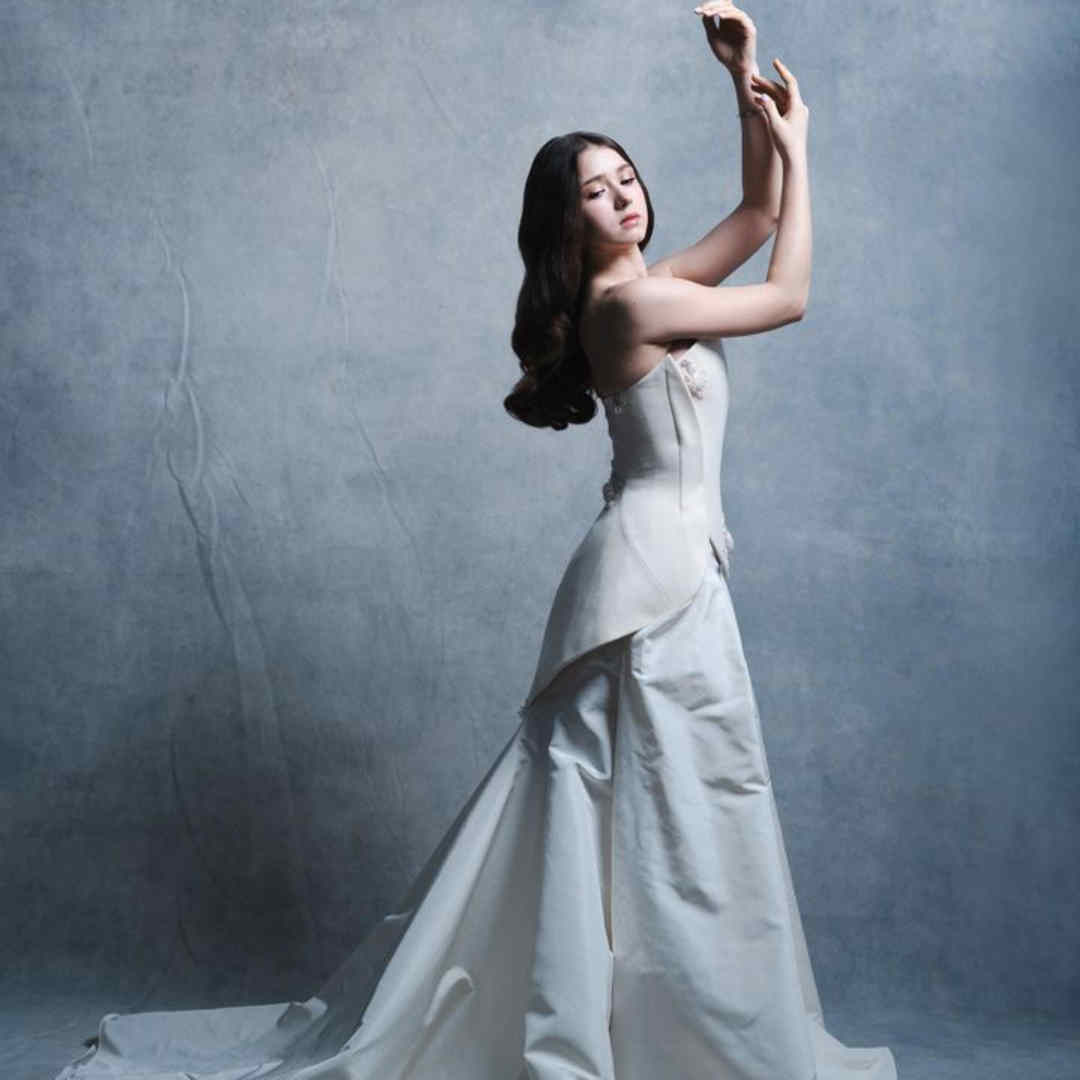
Kamila Valieva’s net worth is estimated at $1 million, though she has never publicly disclosed her finances and no official figure has been verified.
Most estimates are based on her prize money before her suspension, endorsement agreements, exhibition skating appearances, sponsorships, and commercial partnerships in Russia.
Elite figure skaters rarely earn salaries comparable to athletes in major professional leagues. Their income is generally built through a combination of competition prize money, federation support, sponsorships, advertising campaigns, exhibition tours, and public appearances.
Before the Beijing Olympics, Valieva had become one of the most marketable young athletes in Russian sport.
Her dominance during the 2021 and 2022 seasons attracted widespread commercial interest, with brands seeking partnerships because of her success and popularity.
The suspension inevitably affected some of those opportunities, particularly those connected with international events and global sponsors.
She has nevertheless remained a recognizable public figure in Russia, where exhibition performances, television appearances, and commercial collaborations continue to provide professional opportunities.