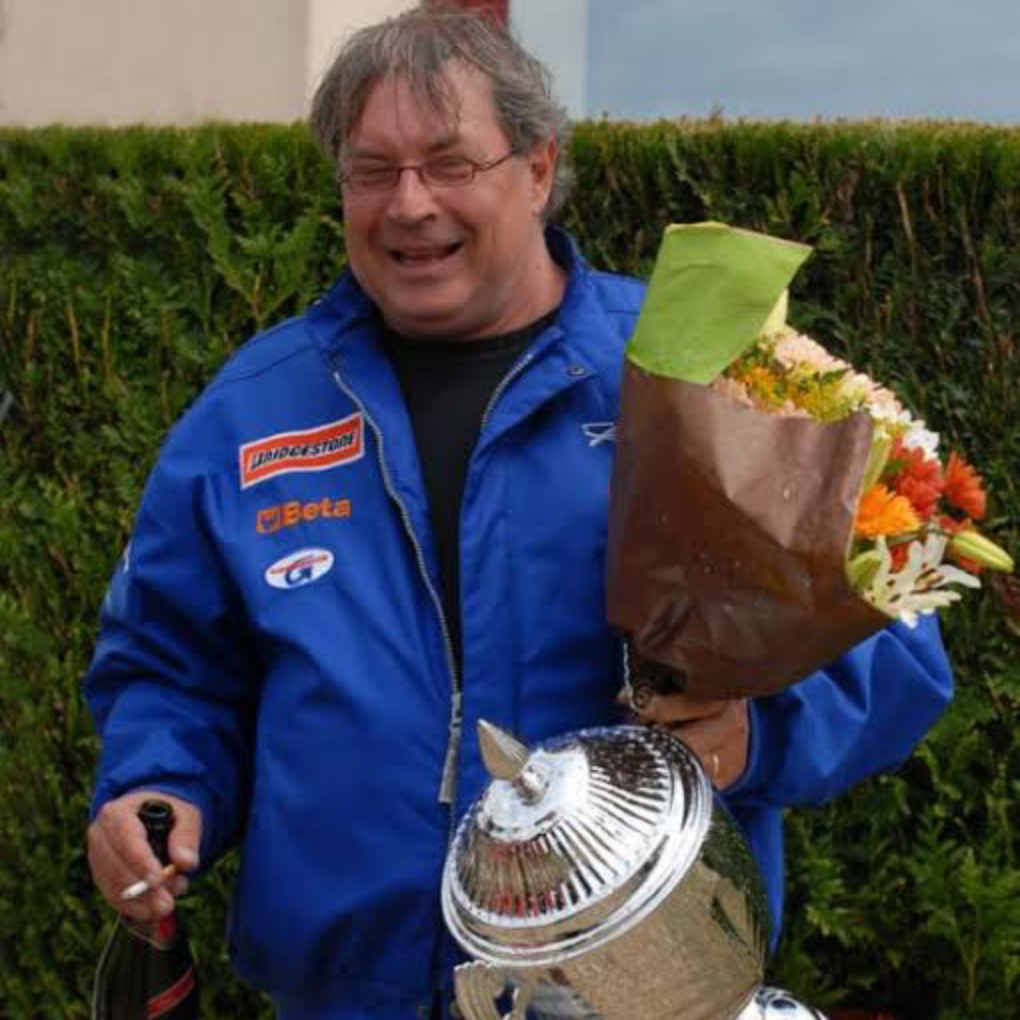
Hervé Leclerc never reached Formula One as a driver, yet his influence can still be seen every time his eldest son, Charles Leclerc, climbs into a Ferrari.
A respected figure in Monaco’s racing community, Hervé spent years competing in junior formula and endurance events before dedicating himself to helping his children pursue careers in motorsport.
His passion for racing shaped the ambitions of Charles, Arthur and Lorenzo Leclerc, creating one of modern motorsport’s best-known racing families.
Charles has often described his father as the first person who believed he could become a Formula One driver. That confidence proved well founded.
Hervé introduced his sons to karting, shared the lessons he had learned through his own racing career and supported their development despite the financial demands of competitive motorsport.
Hervé died in June 2017 after battling cancer, only months before Charles won the FIA Formula 2 Championship and secured his place in Formula One.
He never witnessed his son’s victories with Ferrari or his rise into the sport’s elite. His legacy continues through those achievements, with Charles regularly dedicating major career milestones to the father who inspired his journey.
Herve Leclerc Biography

He was born in Monaco on 7 April 1963 and became known within the principality’s close-knit motorsport community as both a racing driver and devoted father.
Motorsport formed an important part of his life from an early age. Monaco’s unique connection with racing, strengthened every year by the Monaco Grand Prix, helped fuel his interest in competing behind the wheel.
He later raced in French Formula 3 and endurance competitions before turning his attention toward supporting the next generation of drivers.
Hervé Leclerc married Pascale Leclerc, and together they raised three sons:
- Charles Leclerc
- Arthur Leclerc
- Lorenzo Leclerc
Racing quickly became the family’s shared passion. Weekends were frequently spent at kart circuits across Europe, where Hervé invested both his time and experience into helping his sons improve.
His technical knowledge and understanding of competitive racing became invaluable during Charles’ early development.
He maintained a close friendship with the family of late Formula One driver Jules Bianchi, whose relationship with Charles became another important influence during the young driver’s karting years.
Hervé kept a low public profile throughout his life. His focus remained on racing and family instead of media attention. That changed as Charles progressed through karting, Formula Renault, GP3 and Formula 2.
Public interest gradually shifted toward the man who had helped shape one of Formula One’s brightest talents. His greatest achievement ultimately came away from the cockpit.
The guidance he provided during Charles’ formative years laid the foundation for a career that would eventually produce Grand Prix victories, pole positions and a seat with Ferrari, fulfilling a dream father and son had shared for many years.
Career

Hervé Leclerc built his career in European motorsport long before his eldest son became one of Formula One’s biggest stars.
His racing résumé never reached Formula One, yet he earned respect through years of competing in junior single-seater categories and endurance events.
Motorsport remained a defining part of his life from a young age, and that passion later became the foundation upon which Charles, Arthur and Lorenzo Leclerc built their own careers.
Professional racing during Hervé’s era presented significant financial and technical challenges. Drivers often balanced competition with everyday work because sponsorship opportunities were limited compared with modern Formula One.
Success depended as much on determination and personal commitment as natural talent.
Formula 3 Experience
One of Hervé’s most notable achievements came through French Formula 3, where he competed against several talented young drivers during the 1980s.
French Formula 3 has long served as an important stepping stone for future Formula One competitors. Many drivers who later reached the pinnacle of motorsport developed their racecraft in the championship.
Hervé gained valuable experience driving powerful single-seat racing cars across some of France’s most recognised circuits. Results never placed him among the championship’s biggest names, but his performances earned respect within the paddock for consistency and professionalism.
His time in Formula 3 also deepened his understanding of race preparation, car setup and driver development, knowledge that would later prove invaluable when Charles entered competitive karting.
Following his years in single-seat competition, Hervé continued racing in endurance events. Sports car racing demanded a different skill set from Formula 3.
Drivers needed to:
- Manage tyres across longer distances.
- Preserve mechanical reliability.
- Share driving responsibilities with teammates.
- Maintain concentration for extended periods.
Those experiences broadened Hervé’s understanding of motorsport beyond outright speed. The discipline required in endurance racing shaped many of the lessons he later passed on to his sons.
Hervé recognised Charles’ talent almost immediately after introducing him to karting. He understood the technical side of racing because he had experienced it himself.
Charles has often spoken about how his father encouraged him to enjoy racing before focusing on results. That philosophy helped remove unnecessary pressure during Charles’ formative years.
Instead of demanding victories every weekend, Hervé concentrated on helping his son improve fundamentals such as:
- Racecraft.
- Braking technique.
- Consistency.
- Confidence under pressure.
Those principles remained visible throughout Charles’ junior career.
Bianchi Family
Hervé maintained a close friendship with the family of late Formula One driver Jules Bianchi. The relationship became one of the most important influences on Charles’ development.
Charles and Jules grew up racing together in karting, and the two families spent countless weekends travelling to competitions. Jules became both a mentor and an older brother figure to Charles.
Hervé believed strongly in that environment because it allowed his son to learn from someone already progressing through the highest levels of international motorsport.
Years later, Charles would describe Jules as one of the people who inspired his Formula One career, alongside his father.
Hervé never measured success solely through trophies or championship standings. Helping his children pursue their dreams gradually became more important than extending his own racing career.
Charles entered Formula One with Sauber in 2018 before joining Ferrari the following season. Arthur Leclerc also progressed through international junior categories and later joined the Ferrari Driver Academy.
Lorenzo Leclerc continued competing in karting and GT racing. Those achievements represent Hervé Leclerc’s greatest contribution to motorsport. His own racing career introduced him to the sport.
His guidance helped shape one of Formula One’s most successful modern racing families.
Illness and Death
Hervé Leclerc’s life changed dramatically after he was diagnosed with cancer. The illness remained largely private, with the Leclerc family choosing not to discuss many details publicly. Charles continued racing throughout his junior career as his father’s health gradually deteriorated.
Despite the diagnosis, Hervé remained closely involved in Charles’ development. He continued following his son’s progress and encouraged him to pursue every opportunity that could move him closer to Formula One.
Charles has since revealed that his father never wanted sympathy or special treatment because of his illness. Motorsport remained their shared focus even during the most difficult moments.
Hervé Leclerc died on 20 June 2017 at the age of 54 after battling cancer. His death came during one of the most important seasons of Charles’ young career.
Charles was competing in the 2017 FIA Formula 2 Championship, regarded as the final stepping stone before Formula One.
Only weeks after losing his father, Charles returned to racing and continued one of the finest campaigns ever produced by a Formula 2 driver.
He eventually won the championship with PREMA Racing, securing promotion to Formula One for the following season.
Charles has spoken openly about how difficult it was to continue racing after his father’s death. He has admitted that every major achievement since 2017 carries a sense of sadness because Hervé never had the chance to witness it.
Charles has repeatedly said that his father believed he would become a Formula One driver long before anyone else did.
He also revealed that Hervé told friends and family Charles would one day race for Ferrari, a prediction that became reality less than two years after his passing.
Herve Leclerc’s Net Worth

Hervé Leclerc’s estimated net worth is $1 million. Given his career in junior formula and endurance racing, there is no reliable evidence that Hervé accumulated significant personal wealth through motorsport.
His income is believed to have come from a combination of racing and private business activities in Monaco, though the family has never discussed those financial details publicly.
Charles Leclerc’s Financial Success
Charles Leclerc has built one of the strongest commercial portfolios in Formula One since joining Ferrari. His earnings now come from Ferrari driver salary, performance bonuses, sponsorship agreements, commercial endorsements, and personal partnerships with international brands.
Industry estimates place Charles among Formula One’s highest-paid drivers, with annual earnings running into tens of millions of dollars.
Exact figures vary depending on contracts and sponsorship agreements. Hervé never lived to witness that financial success.
His greatest contribution proved far more valuable than money. He provided the encouragement, racing knowledge and unwavering belief that helped transform a young kart racer from Monaco into one of Formula One’s leading drivers and a multiple Grand Prix winner for Ferrari.