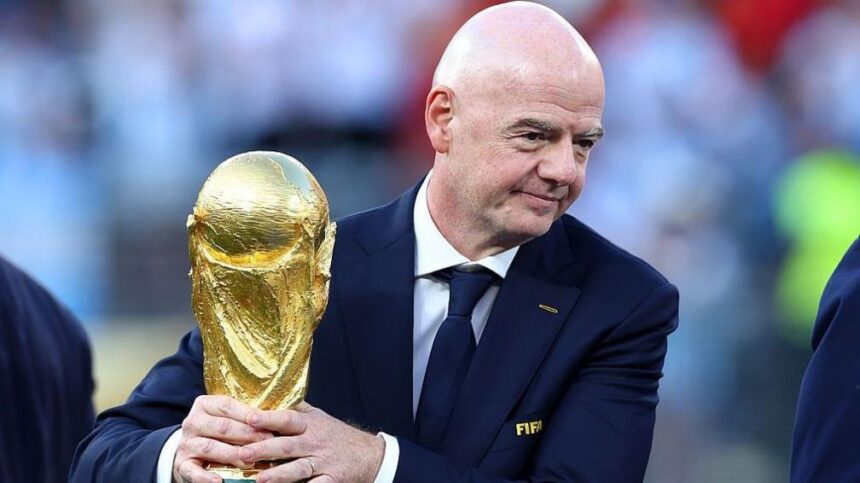
Uefa has given Fifa president Gianni Infantino until November 2 to answer 42 questions and release key documents concerning the governing body’s decision-making, financial arrangements and governance following the collapse of a controversial private investment plan.
The European football governing body accused Fifa of failing to address fundamental concerns surrounding its abandoned Fifa Forward Enterprise (FFE) proposal, the introduction of the Fifa Peace Prize and the disciplinary case involving United States striker Folarin Balogun at the 2026 World Cup.
In an eight-page letter seen by BBC Sport, Uefa general secretary Theodore Theodoridis insisted that Fifa must provide detailed answers rather than rely on promises of future reforms.

“The withdrawal of FFE, the acknowledgement of mistakes and the announcement of ‘potential governance reforms’ do not answer how the relevant decisions were taken or why the Fifa Council was not involved at the appropriate stage,” the letter stated.
Uefa also warned that the questions could not be postponed until the next Fifa Council meeting, demanding accountability for decisions already taken.
The deadline adds pressure on Infantino ahead of November 18, when candidates must confirm whether they intend to challenge him in next year’s Fifa presidential election.
Uefa questions Infantino’s abandoned investment plan
One of Uefa’s main concerns centres on the FFE proposal, which involved private investment to increase funding for football development worldwide.
The organisation questioned how the initiative was developed, who authorised it and why the Fifa Council was not properly consulted before key decisions were made.
Uefa also sought clarification over the involvement of Thrive Capital, led by Joshua Kushner, asking why the company was selected as lead investor without a competitive tendering process.
Kushner is the brother of Jared Kushner, the son-in-law of United States President Donald Trump, who received Fifa’s Peace Prize.
The letter also asked who decided to establish the award and why Trump was selected as its recipient.
The investment proposal had promised Fifa’s 211 member associations $40 million each if they supported the plan, with an initial $20 million payment linked to an acceptance deadline of September 19.
However, after the scheme was abandoned, Uefa and Concacaf called for Fifa to use its own financial reserves to provide additional development funding.
Infantino subsequently proposed increasing worldwide football development funding by $3.4 billion, with each member association set to receive $25 million between 2027 and 2030.
Uefa questioned why the increased funding had initially been linked to private investment instead of being financed directly from Fifa’s resources.
Balogun suspension and World Cup decisions under scrutiny

Uefa also demanded answers over the decision to lift Balogun’s suspension after the American striker was sent off at the World Cup.
The case attracted controversy after Trump publicly acknowledged contacting Infantino to request a review of the disciplinary decision.
Although Fifa maintained that its disciplinary committee operated independently, Uefa asked whether the case would have been reconsidered without the president’s intervention.
It also requested the full written reasons for the decision, relevant correspondence and an explanation of why the case was handled by a single committee member.
The letter further questioned why no disciplinary action was taken against DR Congo over allegations that the African nation fielded an ineligible player during World Cup qualifying.
READ ALSO: Man City Face Massive Points Deduction As Premier League Relegation Looms
Fifa faces further questions over payments and Trump links
Uefa’s demands extended to reports that Infantino received additional remuneration from Fifa’s United States World Cup organising entity, FWC2026 US Inc., which was allegedly not disclosed in Fifa’s annual report.
The organisation asked Fifa to clarify the nature and amount of the payments and whether they had been approved and properly taxed.
Fifa has previously denied paying Infantino a second salary and rejected claims that it had failed to disclose financial information or breached its statutes.
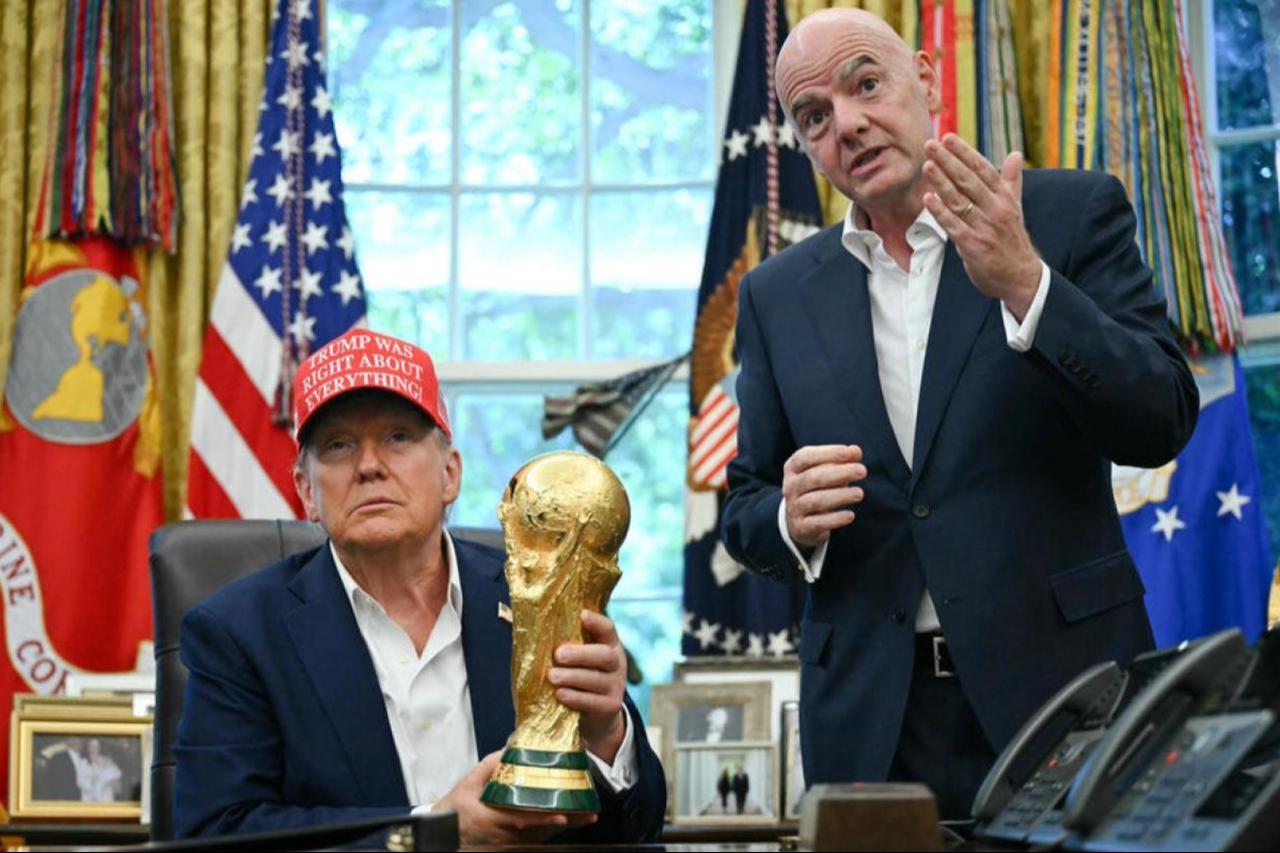
Other questions concerned reported discussions about a Fifa cryptocurrency involving Trump and individuals associated with him, a $75 million investment in Palestine through Trump’s Board of Peace, and a seven-year, $4 million lease for office space in Trump Tower, New York.
Uefa also sought details about the extended half-time interval at the World Cup final, mandatory hydration breaks, and the impartiality of the chair of Fifa’s electoral committee ahead of next year’s presidential election.
Football Association chair Debbie Hewitt, who is also a Fifa vice-president, had previously questioned Infantino’s suitability for the role if he failed to answer the concerns raised.
“If he doesn’t answer those questions, he’s not fit to be Fifa president,” Hewitt said.
Fifa had been approached for comment, while the full extent of any response to Uefa’s demands remained unclear.
The November 2 deadline will be an important test of whether Infantino’s administration can address the concerns over transparency and accountability as the governing body prepares for another presidential election.