From the brink of liquidation to the lights of the UEFA Europa League, Brighton & Hove Albion’s journey is one of the most remarkable stories in English football history.
- The Early Foundations (1901–1972): Pioneers And The Webb Era
- The Mike Bamber Revolution: Clough, Taylor, And The Big Time
- The Dark Years & The Great Escape (1993–1998)
- The Withdean Migration: Rebuilding the Pyramid
- The Amex Awakening: Gus Poyet And The Return To The Big Time
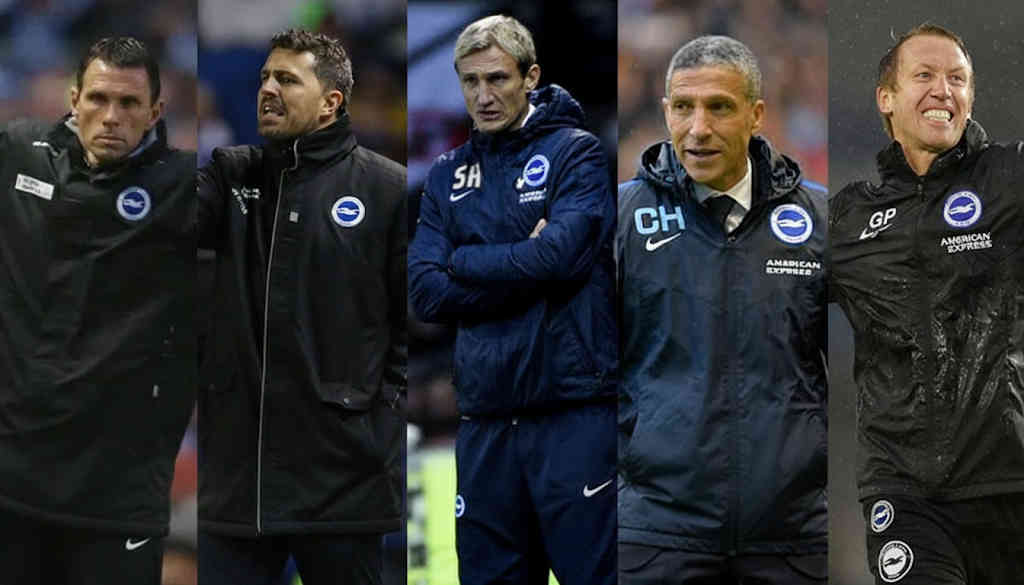
- The Premier League Stalwart: Chris Hughton (2014-2019)
- The Modern Visionaries: Potter And De Zerbi
- Current Era: Fabian Hürzeler and the Future (2024–Present)
The club’s transformation hasn’t been accidental; it is the result of a century of leadership, ranging from old-school stalwarts to modern tactical visionaries.
In this comprehensive guide, we analyze the Brighton & Hove Albion managers who shaped the club’s identity over the decades of existence.
We will also be highlighting their impact from the early days at the Goldstone Ground to the data-driven dominance of today in the Premier League and Europe.
The Early Foundations (1901–1972): Pioneers And The Webb Era

In the club’s infancy, stability was the priority. For nearly half a century, one name in Charlie Webb dominated the touchline and set the pedestal for others to follow.
Webb was the man who is credited with starting the groundwork, which was carried on by other successors who changed the narrative and built something before leaving.
Charlie Webb (1919–1947)
He managed the club for an incredible 28 years while overseeing 1,200 matches. Charlie Webb is the bedrock of the club, leading them through the transition into the Football League.
READ MORE – Top Football Academies
He was the man in charge of maintaining Brighton’s status as a professional powerhouse in the Third Division South.
Billy Lane (1951–1961)
Lane provided the first real glory days for the Seagulls, securing the Third Division South title in 1958 and taking the club into the second tier for the first time.
His success came at a time when the club needed to show results after establishing itself as a football powerhouse in a lower division.
Both Webb and Lane were the early coaches who turned a small coastal team into a respected Football League fixture, setting the stage for the high-drama decades to follow.
| Manager | From | To | P | W | D | L | Win % |
|---|---|---|---|---|---|---|---|
| John Jackson | Aug 1901 | May 1905 | 140 | 58 | 20 | 62 | 41.43% |
| Frank Scott-Walford | Aug 1905 | May 1908 | 134 | 45 | 32 | 57 | 33.58% |
| Jack Robson | Aug 1908 | May 1914 | 260 | 112 | 57 | 91 | 43.08% |
| Charlie Webb | Aug 1919 | May 1947 | 1,123 | 452 | 252 | 419 | 40.25% |
| Tommy Cook | May 1947 | Nov 1947 | 22 | 5 | 5 | 12 | 22.73% |
| Don Welsh | Nov 1947 | Mar 1951 | 159 | 66 | 41 | 52 | 41.51% |
| Billy Lane | Mar 1951 | May 1961 | 488 | 197 | 109 | 182 | 40.37% |
| George Curtis | Jun 1961 | Feb 1963 | 74 | 15 | 14 | 45 | 20.27% |
| Archie Macaulay | Apr 1963 | Oct 1968 | 255 | 105 | 60 | 90 | 41.18% |
| Freddie Goodwin | Oct 1968 | May 1970 | 82 | 33 | 20 | 29 | 40.24% |
| Pat Saward | Jun 1970 | Oct 1973 | 158 | 57 | 41 | 60 | 36.08% |
The Mike Bamber Revolution: Clough, Taylor, And The Big Time
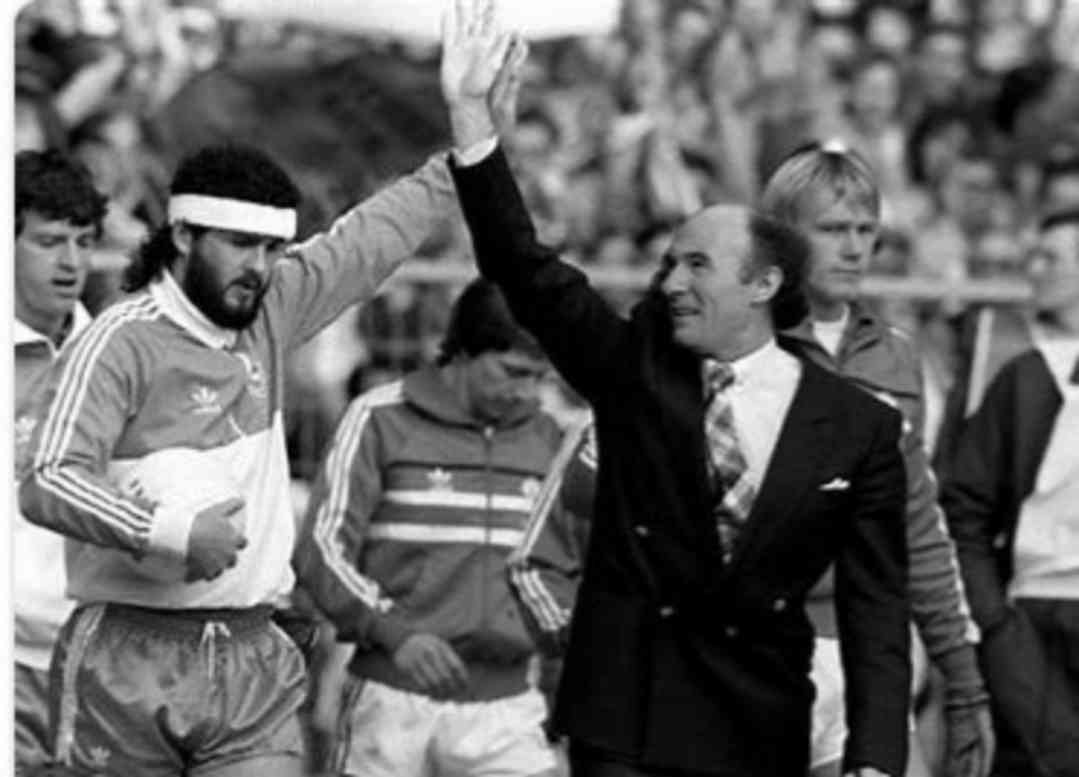
The 1970s marked a shift in ambition, which Chairman Mike Bamber spearheaded. He wasn’t afraid to make statement appointments or any decision to see the club move forward.
He helped change a lot around the club, which saw their status tremendously grow over and over under his leadership as Chairman.
Brian Clough (1973–1974)
He was the most famous name ever to grace the Brighton dugout. While his tenure was short and statistically underwhelming, Clough’s arrival put Brighton on the national map.
Brian Clough introduced a style that saw a lot of changes happen with how the team played and got the results that were needed to keep them going during his time.
Alan Mullery (1976–1981)
Mullery is arguably the club’s first modern icon, who also brought in a new hunger. He achieved the unthinkable, taking Brighton to the First Division/Premier League in 1979.
Under his guidance, the club enjoyed its first-ever stint in the top flight. It was something that had been the objective of those in charge during the early days.
Jimmy Melia (1982–1983)
Though he couldn’t prevent relegation, Melia led the Seagulls to the 1983 FA Cup Final, a historic day at Wembley that remains etched in the memory of every fan.
His tenure brought another milestone that also set expectations high for his successors, who were tasked to do more than what was already achieved.
| Manager | From | To | P | W | D | L | Win % |
|---|---|---|---|---|---|---|---|
| Brian Clough | Nov 1973 | Jul 1974 | 32 | 12 | 8 | 12 | 37.50% |
| Peter Taylor | Jul 1974 | May 1976 | 101 | 41 | 30 | 30 | 40.59% |
| Alan Mullery | Jul 1976 | Jun 1981 | 239 | 93 | 73 | 73 | 38.91% |
| Mike Bailey | Jul 1981 | Dec 1982 | 66 | 19 | 17 | 30 | 28.79% |
| Jimmy Melia | Dec 1982 | Oct 1983 | 46 | 14 | 13 | 19 | 30.43% |
| Chris Cattlin | Oct 1983 | May 1986 | 131 | 51 | 33 | 47 | 38.93% |
| Alan Mullery (2nd spell) | Jun 1986 | Jan 1987 | 30 | 6 | 6 | 18 | 20.00% |
| Barry Lloyd | Jan 1987 | Dec 1993 | 344 | 111 | 91 | 142 | 32.27% |
The Dark Years & The Great Escape (1993–1998)
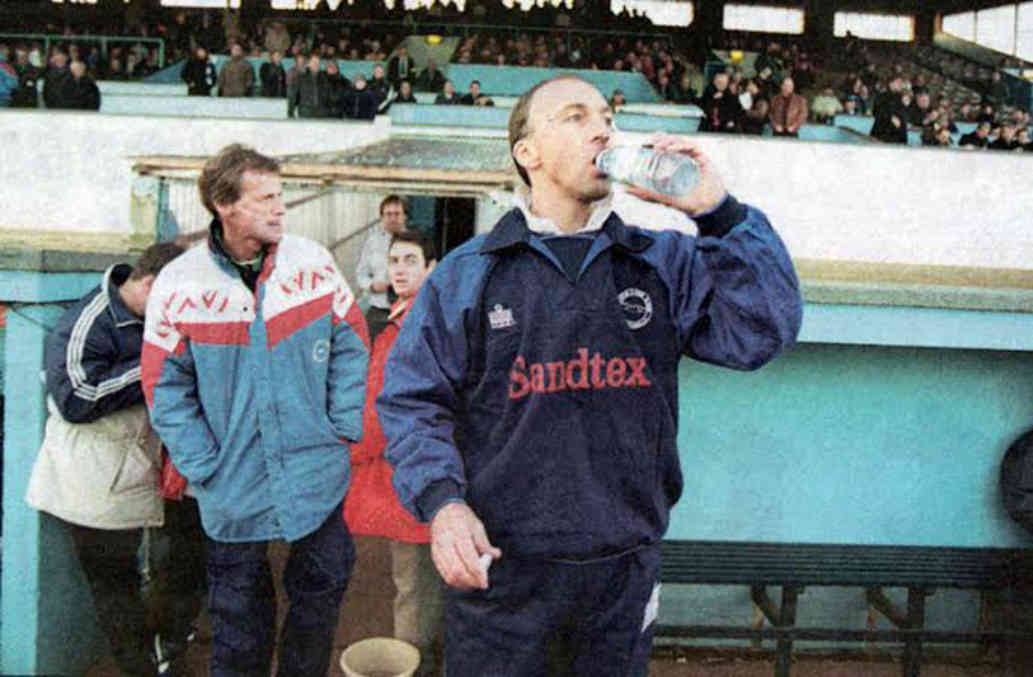
By the mid-90s, the club was in crisis. Homeless and penniless, the focus shifted from winning trophies to physical survival, which was still something that wasn’t looking good.
The club had to do everything to manage the situation, which kept getting worse until a solution was made available to glue things together.
Liam Brady (1993–1995)
The Arsenal legend struggled with a crumbling infrastructure, but his presence and his personal financial investment helped keep the club afloat during its darkest hours.
He was credited for not just doing his job as manager, but also investing from his personal pocket to ensure things kept running before a permanent solution came.
Steve Gritt (1996–1998)
Every Brighton fan knows the name Steve Gritt due to his achievements. He took over with the club 11 points adrift at the bottom of the Football League and orchestrated the Great Escape.
A 1-1 draw against Hereford on the final day of the 1997 season kept the club in the league and prevented total collapse, which could have been their end.
| Manager | From | To | P | W | D | L | Win % |
|---|---|---|---|---|---|---|---|
| Liam Brady | Dec 1993 | Nov 1995 | 102 | 32 | 25 | 45 | 31.37% |
| Jimmy Case | Nov 1995 | Dec 1996 | 52 | 12 | 12 | 28 | 23.08% |
| Steve Gritt | Dec 1996 | Feb 1998 | 58 | 20 | 17 | 21 | 34.48% |
| Brian Horton | Feb 1998 | Jan 1999 | 43 | 13 | 11 | 19 | 30.23% |
The Withdean Migration: Rebuilding the Pyramid

While playing at the Withdean Athletics Stadium, the club needed fighters to climb back up the divisions, which became the priority after their great escape.
It wasn’t an easy time, as what they needed was making sure they saw an improvement from the team and totally moved on from their difficult time.
Micky Adams (1999–2001)
Adams built a rugged, winning machine, which was what the club needed at that time. He led Brighton to the Third Division title, sparking a resurgence in the club’s on-field fortunes.
The improvement was needed, and it helped see a lot of change around the Brighton environment, which nearly went into being non-existent after some financial troubles.
Peter Taylor (2001–2002)
Taylor picked up where Adams left off, securing a second consecutive promotion to the Championship, which was beginning to bring light back into the club after many years.
His 55% win rate remains one of the highest in the club’s history. He was able to turn around and set a new milestone for other successors to start off after being appointed.
Mark McGhee (2003–2006)
McGhee delivered a memorable playoff final victory at Cardiff in 2004, proving that Brighton could still compete despite their stadium limitations.
His work was another turnaround the club needed to continue heading towards the right path of top-flight football with other top teams who were doing well.
| Manager | From | To | P | W | D | L | Win % |
|---|---|---|---|---|---|---|---|
| Micky Adams | Apr 1999 | Oct 2001 | 125 | 57 | 34 | 34 | 45.60% |
| Peter Taylor | Oct 2001 | May 2002 | 38 | 21 | 11 | 6 | 55.26% |
| Martin Hinshelwood | Jul 2002 | Oct 2002 | 12 | 1 | 1 | 10 | 8.33% |
| Steve Coppell | Oct 2002 | Oct 2003 | 49 | 18 | 14 | 17 | 36.73% |
| Mark McGhee | Oct 2003 | Sep 2006 | 146 | 43 | 39 | 64 | 29.45% |
The Amex Awakening: Gus Poyet And The Return To The Big Time
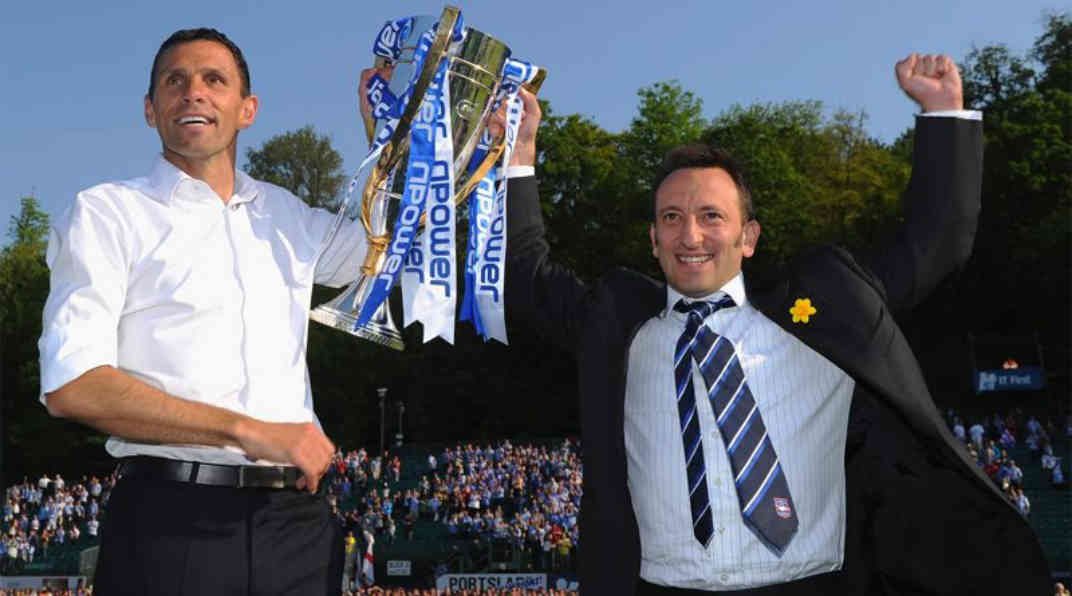
The opening of the American Express Stadium in 2011 required a manager with a style of play that matched the world-class facility.
The club achieved its aim of bringing a new style of football, which would promise them tangible results to keep them in a good position.
Gus Poyet (2009–2013)
Poyet revolutionized the club’s DNA, which still exists to this day. He moved away from hoof-ball to a sophisticated, possession-based style, which was a perfect change.
Gus Poyet won the League One title in 2011 and made Brighton a feared force in the Championship. The establishment of a formidable team commenced the promotion afterward.
Oscar Garcia (2013–2014)
He continued the technical evolution, leading the club to the playoffs and further cementing the Brighton Way of playing out from the back.
Oscar Garcia was able to do his bit for Brighton and Hove Albion before moving on for others to carry on the good foundation that was already in place.
| Manager | From | To | P | W | D | L | Win % |
|---|---|---|---|---|---|---|---|
| Dean Wilkins | Sep 2006 | May 2008 | 99 | 38 | 25 | 36 | 38.38% |
| Micky Adams (2nd spell) | May 2008 | Feb 2009 | 41 | 12 | 11 | 18 | 29.27% |
| Russell Slade | Mar 2009 | Nov 2009 | 31 | 9 | 9 | 13 | 29.03% |
| Gus Poyet | Nov 2009 | Jun 2013 | 194 | 86 | 59 | 49 | 44.33% |
| Óscar García | Jun 2013 | May 2014 | 53 | 21 | 16 | 16 | 39.62% |
| Sami Hyypiä | Jun 2014 | Dec 2014 | 26 | 6 | 10 | 10 | 23.08% |
The Premier League Stalwart: Chris Hughton (2014-2019)

If Charlie Webb built the foundation and Steve Gritt saved the soul, Chris Hughton built the house, which today many still call their home.
Hughton brought calm, professional leadership. In 2017, he finally ended the club’s 34-year wait for top-flight football.
Chris Hughton didn’t just get Brighton to the Premier League; he kept them there for two seasons, reaching an FA Cup semi-final along the way.
His departure marked a shift from survival to aspiration. Brighton and Hove Albion finally unlocked the true potential that those who laid the foundation saw in the club.
| Manager | From | To | P | W | D | L | Win % |
|---|---|---|---|---|---|---|---|
| Nathan Jones (Interim) | Dec 2014 | Dec 2014 | 2 | 1 | 1 | 0 | 50.00% |
| Chris Hughton | Dec 2014 | May 2019 | 215 | 88 | 57 | 70 | 40.93% |
The Modern Visionaries: Potter And De Zerbi
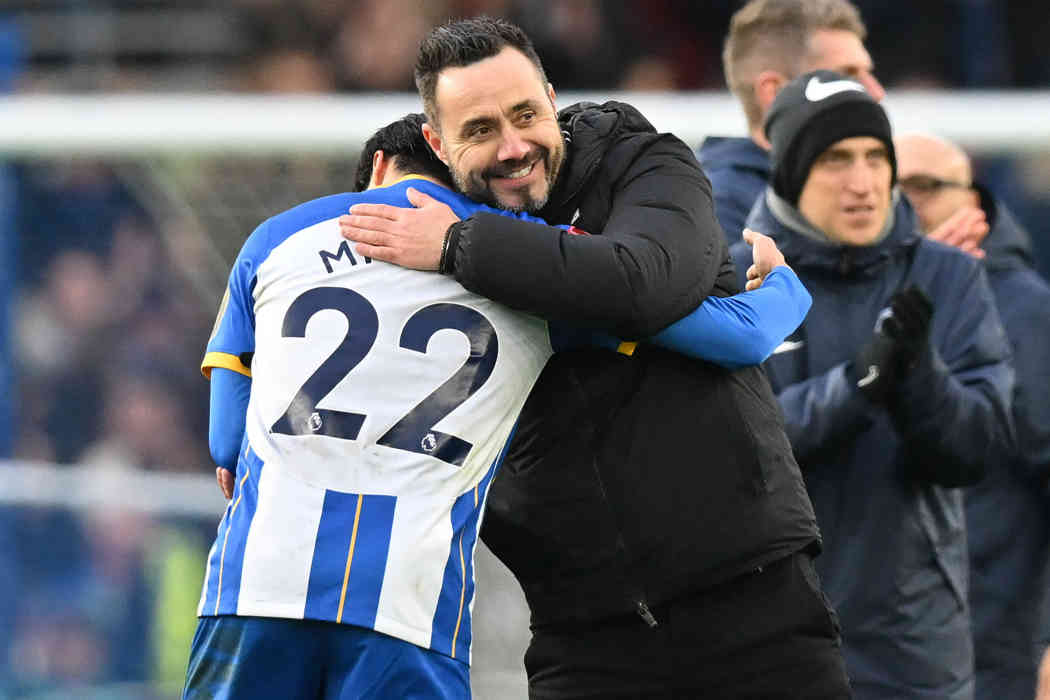
Under owner Tony Bloom, Brighton and Hove Albion became a global Case Study for data-driven success, which was seen under their managers.
They became a team that played in a uniform style, which made them a stronger challenger to others, including the big six Premier League clubs.
Graham Potter (2019–2022)
Potter was the architect of the modern Albion. He replaced a defensive mindset with a flexible, high-pressing system that challenged the Big Six.
His ability to develop talent like Ben White, Marc Cucurella, and Leandro Trossard generated millions in profit for the club during his time.
Roberto De Zerbi (2022–2024)
De Zerbi took Potter’s foundation and turned it into De Zerbi-ball. His high-risk, high-reward tactical setup led Brighton to a record-breaking 6th-place finish and their first-ever European campaign.
Under him, the Amex witnessed historic wins over Ajax, Marseille, and AEK Athens. They also established their ground and made sure they knocked down bigger teams above them.
| Manager | From | To | P | W | D | L | Win % |
|---|---|---|---|---|---|---|---|
| Graham Potter | May 2019 | Sep 2022 | 134 | 42 | 46 | 46 | 31.34% |
| Andrew Crofts (Interim) | Sep 2022 | Sep 2022 | 0 | 0 | 0 | 0 | 0.00% |
| Roberto De Zerbi | Sep 2022 | Jun 2024 | 89 | 38 | 20 | 31 | 42.70% |
| Fabian Hürzeler | Jul 2024 | Present | 20 | 8 | 6 | 6 | 40.00% |
Current Era: Fabian Hürzeler and the Future (2024–Present)
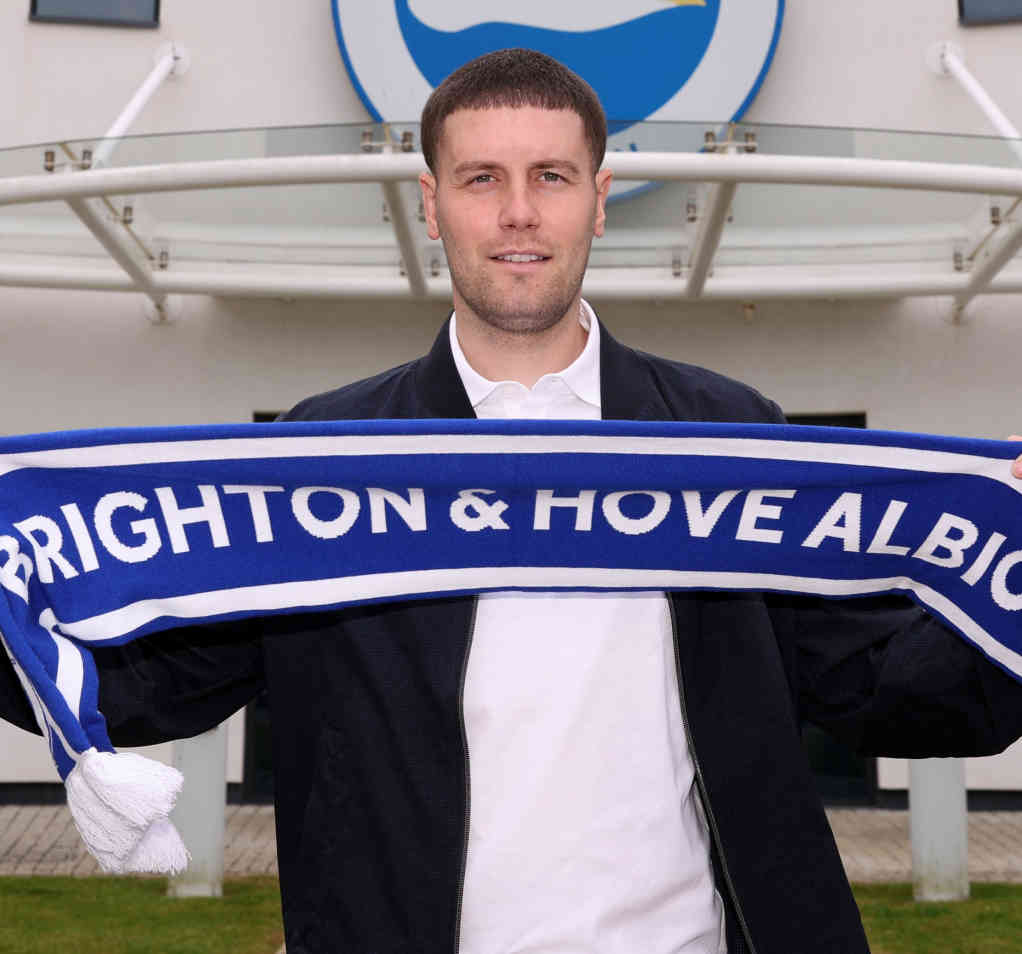
Following De Zerbi’s departure, Brighton once again shocked the world by appointing Fabian Hürzeler as their manager.
He came into the club as another unknown name who would go on to make remarkable statements from his appointment to this day.
At just 31 years old, Hürzeler became the youngest permanent manager in Premier League history. Early data from the 2024/25 and 2025 seasons show Hürzeler has evolved the system further.
While De Zerbi focused on baiting the press, Hürzeler has introduced a higher defensive line and increased physical intensity. Sprints per game are up 20% compared to 2024.
Every Brighton manager listed in this article played a massive role in helping the club go from fighting to stay alive to becoming a top team that competes in all European competitions.