


There are so many big names when we talk about forgotten footballers who once had Europe under their palms, thanks to their exceptional skills and goal-scoring abilities, among others.
While the likes of Cristiano Ronaldo and Lionel Messi have maintained their grip on the spotlight for decades, many others once sat on that same throne, only to slip into the shadows.
These are the forgotten superstars who, for a season or a cycle, were the most feared names on the continent of Europe during their active days of playing.
From Brazilian icons whose flame burned too bright to European technicians who fell victim to the next big thing syndrome, we are revisiting the careers of stars who once ruled Europe.
Table of Contents
10. Juan Román Riquelme: The Last Classic Ten
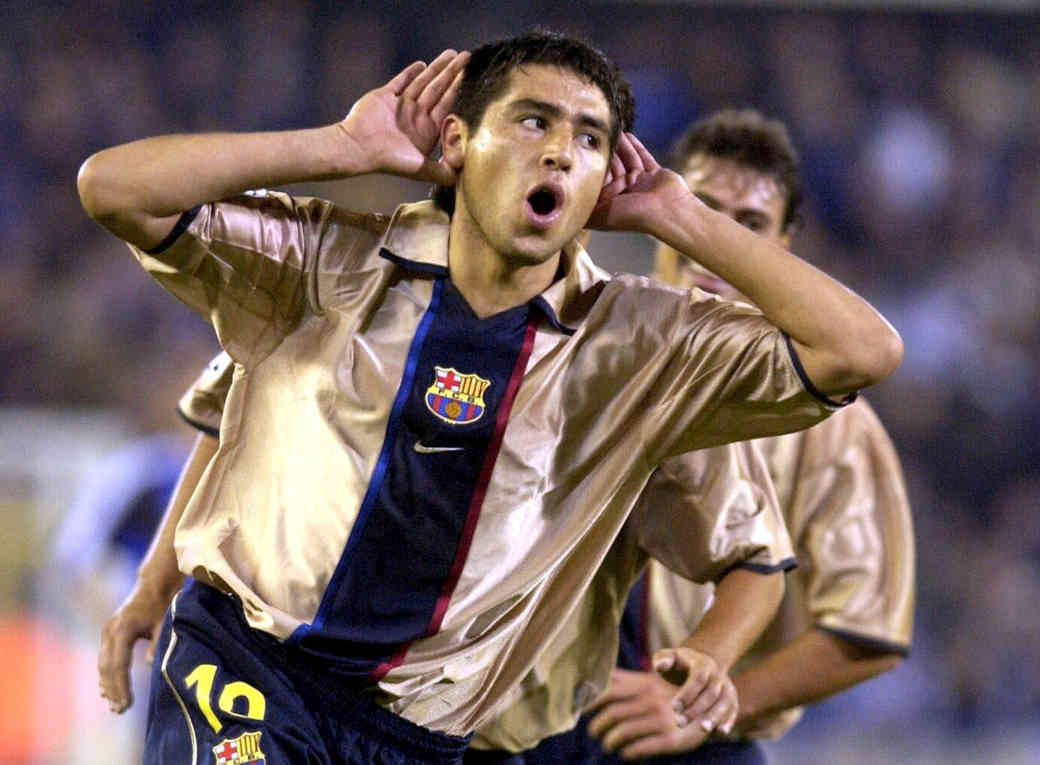

To watch Juan Román Riquelme was to watch a conductor. At Villarreal, he turned a small Spanish club into a Champions League semi-finalist who were very dominant.
He was mainly known as an orchestrator in his position of play. Riquelme’s refusal to conform to the modern, high-speed style of European football eventually led him back to his beloved Boca Juniors.
While he is a deity in Argentina, his reign in Europe was relatively brief. He was a specialist in a world moving toward generalists but yet was frequently overlooked as one of the stars of the 21st century.
9. Hristo Stoichkov: The Bulgarian Firebrand
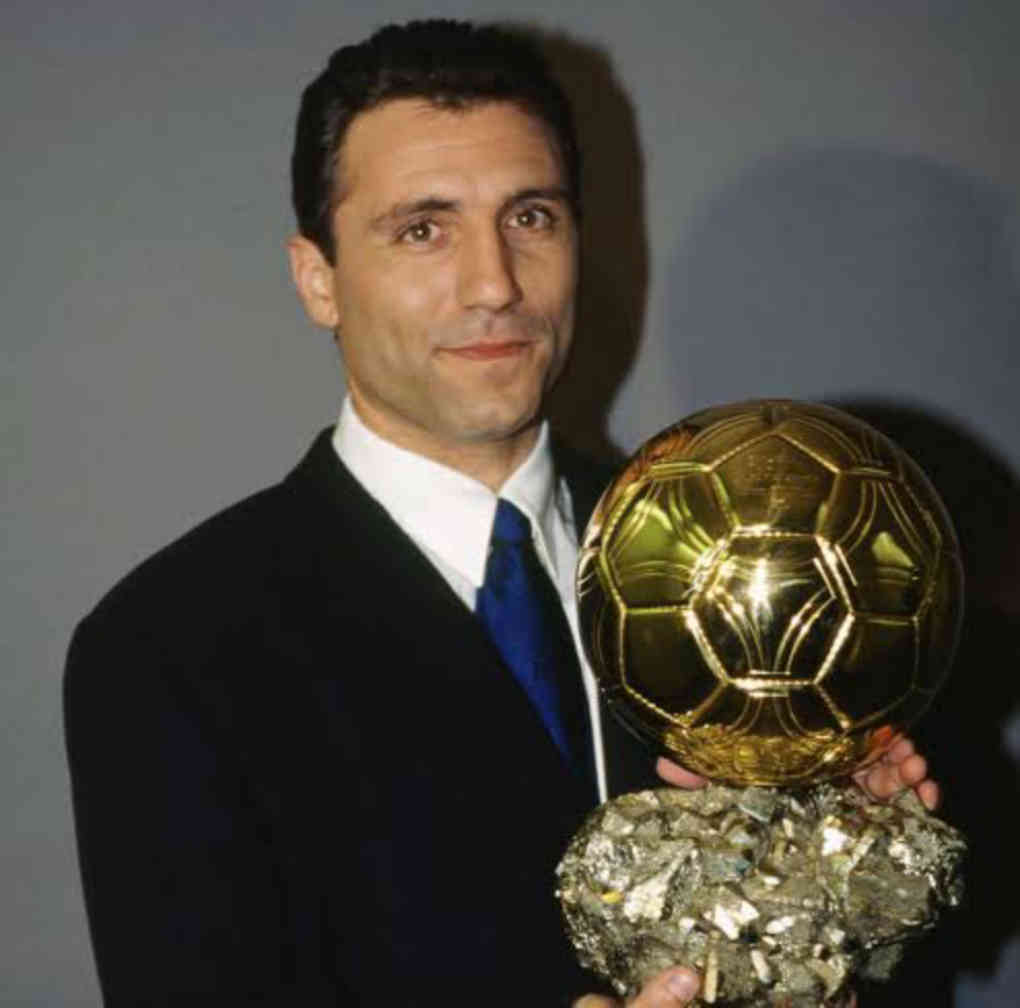

While older fans remember him vividly, Hristo Stoichkov is often overshadowed in modern discussions by his Barcelona teammate Romário.
Stoichkov was the El Pistolero of the 1990s. He was a volatile, aggressive, and immensely talented winger/forward who won the Ballon d’Or in 1994.
READ MORE – Most Valuable Football Players 2026
He led Bulgaria to a World Cup semi-final and was the face of Johan Cruyff’s Dream Team. His legacy is one of pure dominance on the pitch.
However, because he played in an era before the 24/7 social media cycle, his name isn’t brought up as often as the icons of the 2000s.
8. Wesley Sneijder: The 2010 Robbery
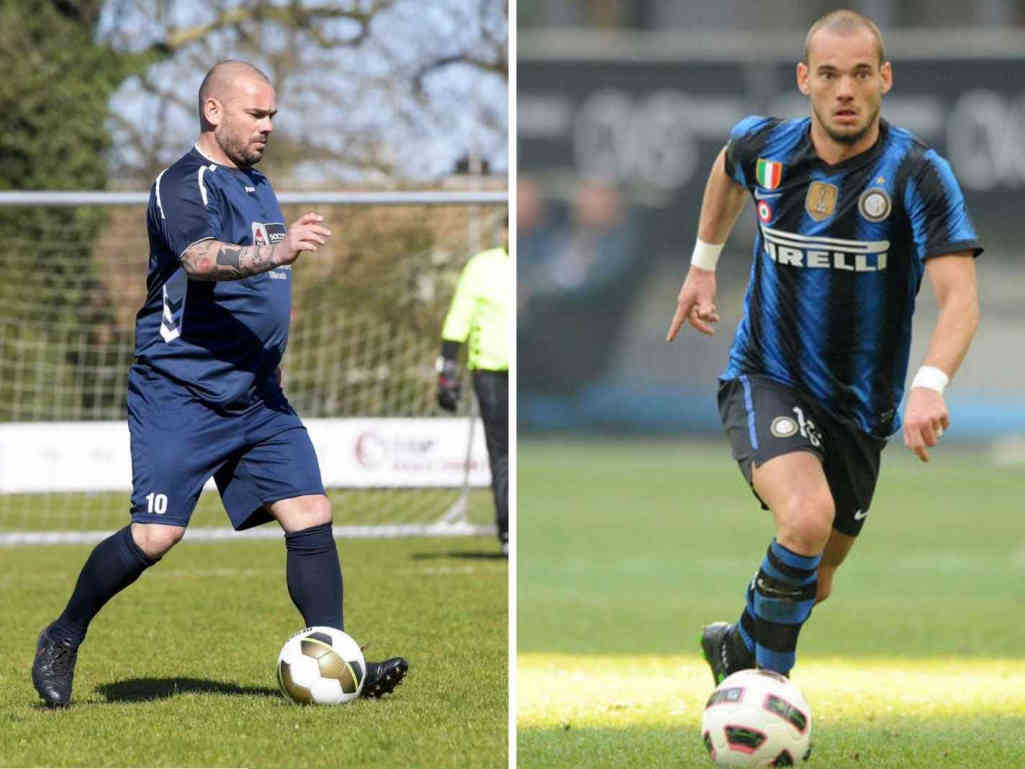

In 2010, Wesley Sneijder was the undisputed king of Europe. He was the architect of Inter Milan’s historic treble and the joint-top scorer at the World Cup as the Netherlands reached the final.
Many still argue he was unfairly denied the Ballon d’Or that year. He was a master of the final ball and a two-footed threat from distance.
However, as the tactical landscape shifted toward high-pressing and defensive work rates, Sneijder’s traditional Number 10 role became harder to sustain.
He spent his later years at Galatasaray and Nice, which saw him moving away from the elite limelight faster than anyone expected for a player of his calibre.
7. Mario Götze: The Golden Boy
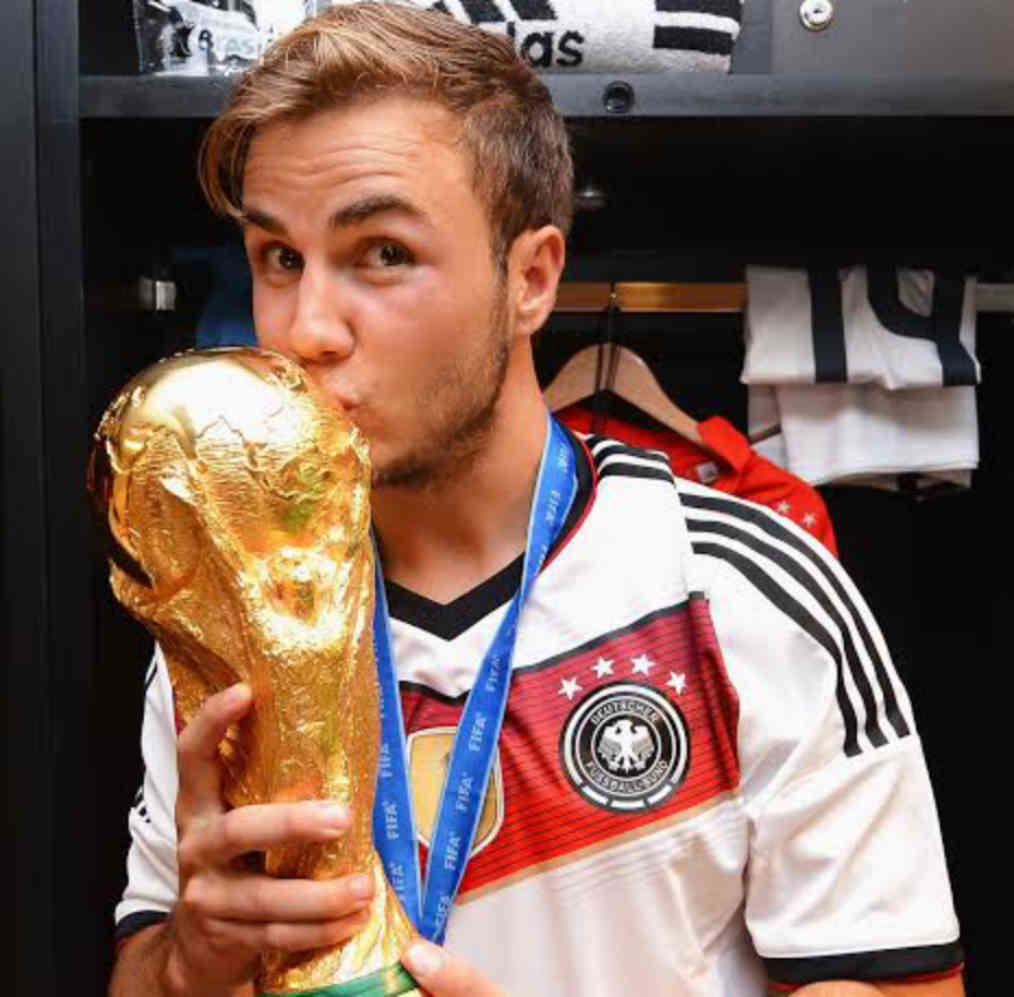

It feels strange to call a World Cup final goal-scorer forgotten, but Mario Götze’s career journey after 2014 is a sombre one to talk about.
At Borussia Dortmund, under Jürgen Klopp, Götze was the German Messi. He was the creative powerhouse of a team that reached the 2013 Champions League final.
A controversial move to Bayern Munich was followed by a diagnosis of a rare metabolic disorder, which robbed him of his explosive pace and agility.
While he is still active and recently had a career resurgence at Eintracht Frankfurt, he never returned to the dizzying heights of his early 20s, which were destined for greatness.
He remains a valid reminder that even reaching the absolute pinnacle of the sport doesn’t guarantee a permanent seat at the top table.
6. Andrei Arshavin: The Russian Maestro
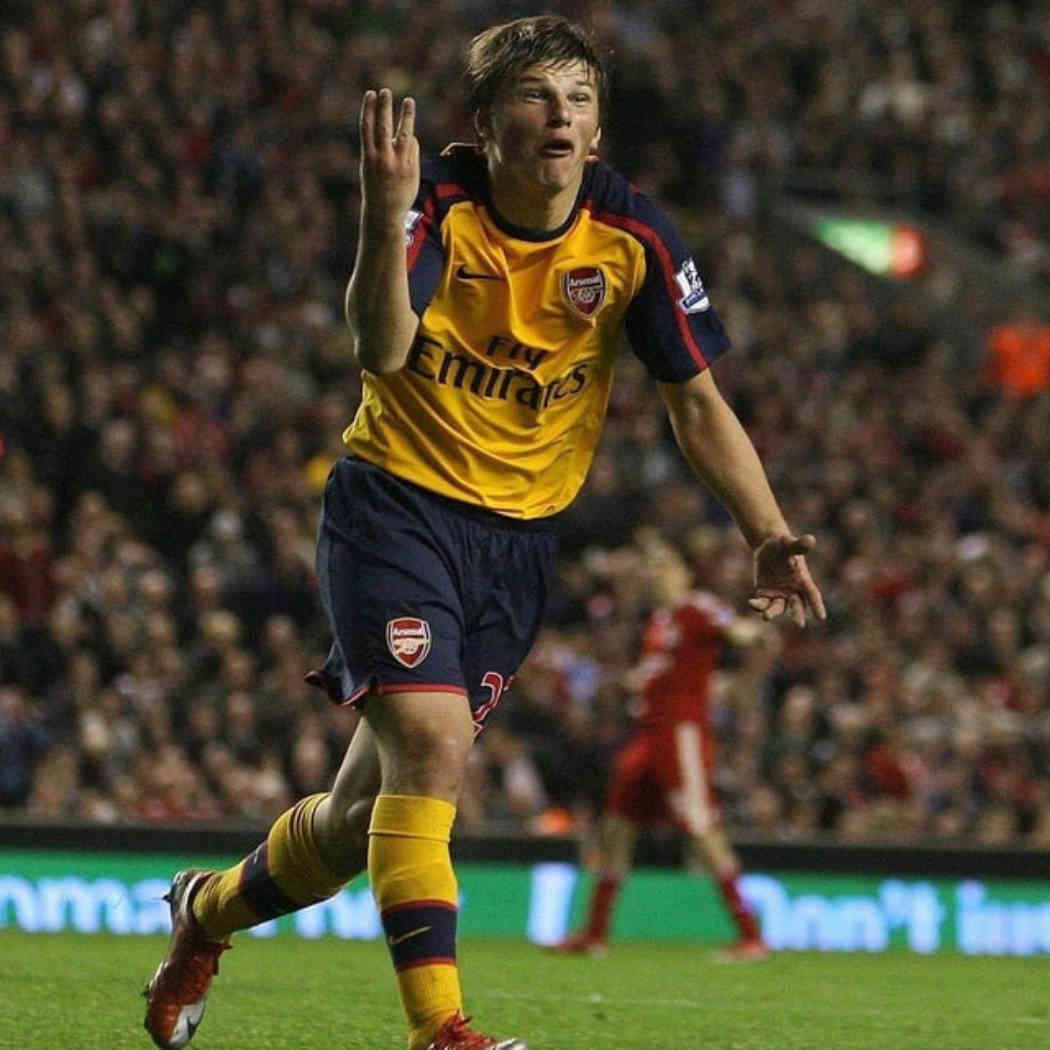

Few players have had a more explosive introduction to the global stage than Andrei Arshavin during their active days as a footballer.
His performance for Russia at Euro 2008 was nothing short of legendary, leading to a high-profile move to Arsenal. His four-goal haul against Liverpool at Anfield remains unforgettable.
Arshavin ruled the creative spaces of the Premier League for a short window. Still, his inconsistency and struggles with the physical demands of the English game eventually saw him fade out.
He returned to Zenit Saint Petersburg, leaving behind a legacy of what if? He was a player who possessed the vision of a genius but lacked the engine of a marathon runner.
5. Diego Tristán: The Pride of Deportivo
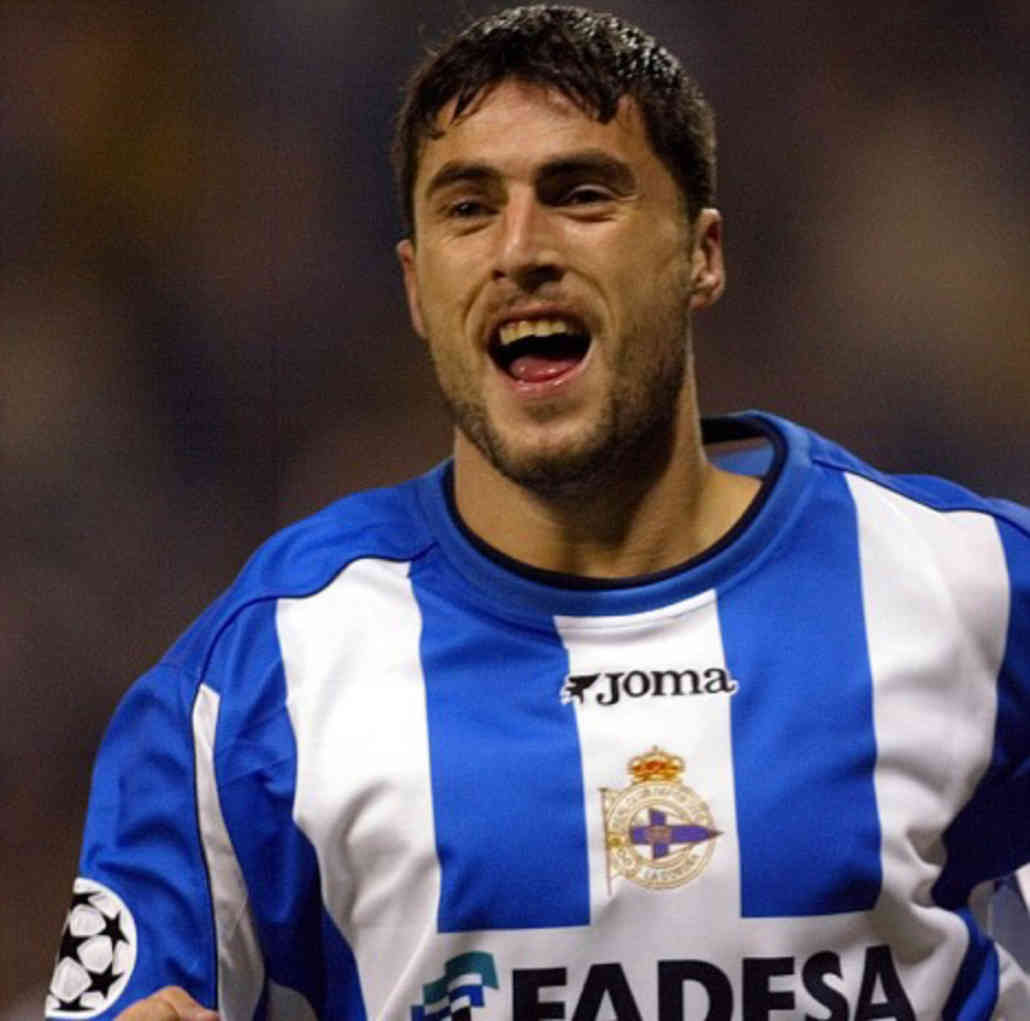

During the early 2000s, Deportivo La Coruña was a giant-killer in Europe, and Diego Tristán was their spearhead who led the way for the team.
In the 2001-02 season, he won the Pichichi Trophy ahead of legends like Raul and Patrick Kluivert. He was a clinical finisher with a silk-smooth touch that can’t be replicated.
He was instrumental in Deportivo’s famous Centenario Copa del Rey win against Real Madrid, which stunned the footballing World.
Tristán’s fall was as rapid as his rise. Injuries and a perceived lack of work rate saw him lose his place to Walter Pandiani.
By the time he moved to Mallorca and later West Ham, the magic had evaporated. He went from being one of the most feared strikers in Europe to a journeyman within the span of four seasons.
4. Juninho Pernambucano: The Free-Kick Wizard
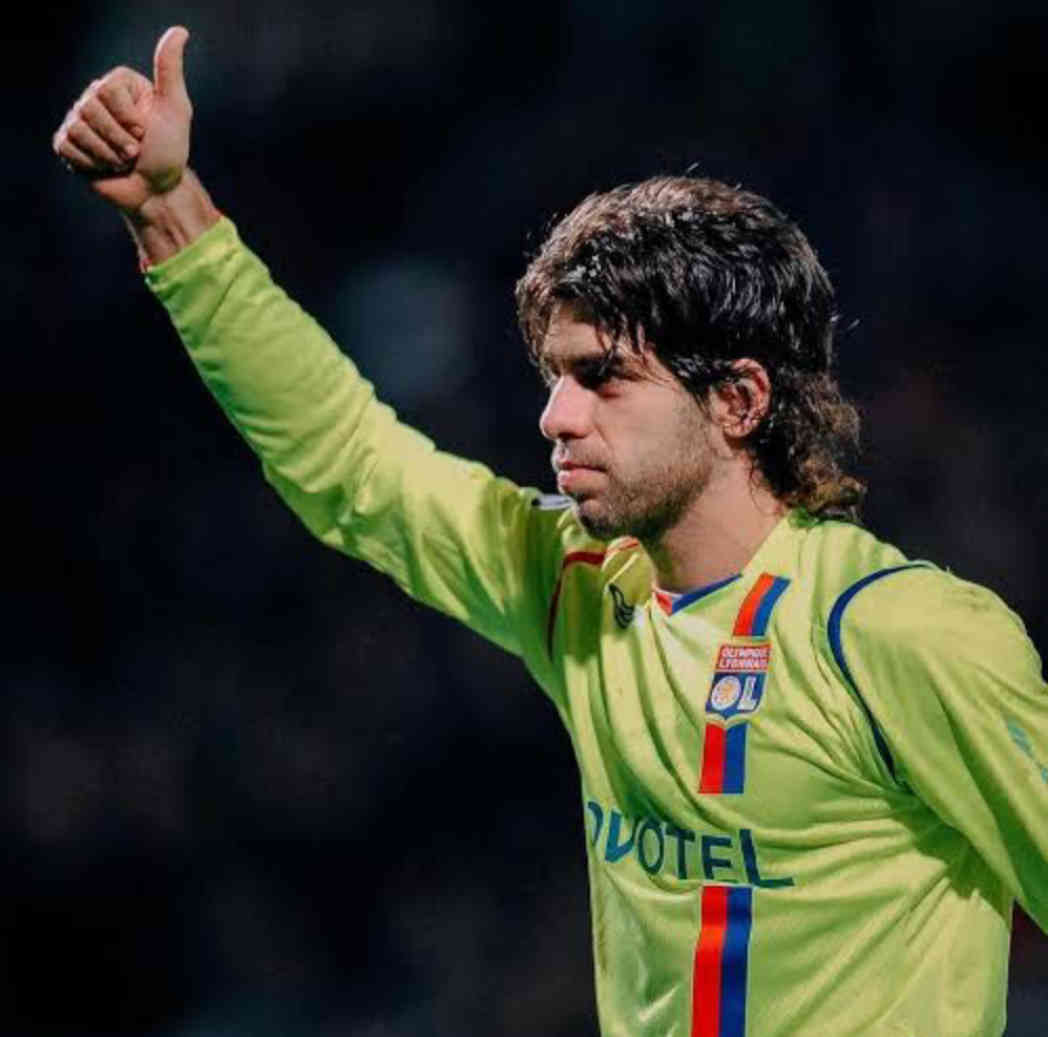

If you mention Olympique Lyonnais to any fan from the 2000s, they will immediately think of Brazilian Juninho Pernambucano.
He was the catalyst for Lyon’s unprecedented seven consecutive Ligue 1 titles. While he was an excellent playmaker, his true power lay in his knuckleball free-kicks.
Juninho is widely regarded as the most excellent free-kick taker in football history, scoring a record of 77 goals from dead-ball situations.
He dominated French football and was a constant threat in the Champions League, where many top European teams are afraid of coming up against him in dead dead-ball situation.
Meanwhile, because he spent his best years in Ligue 1 before it gained global top-five marketing status, his name is often left out of modern most significant midfielders conversations.
3. Ricardo Quaresma: The King of the Trivela
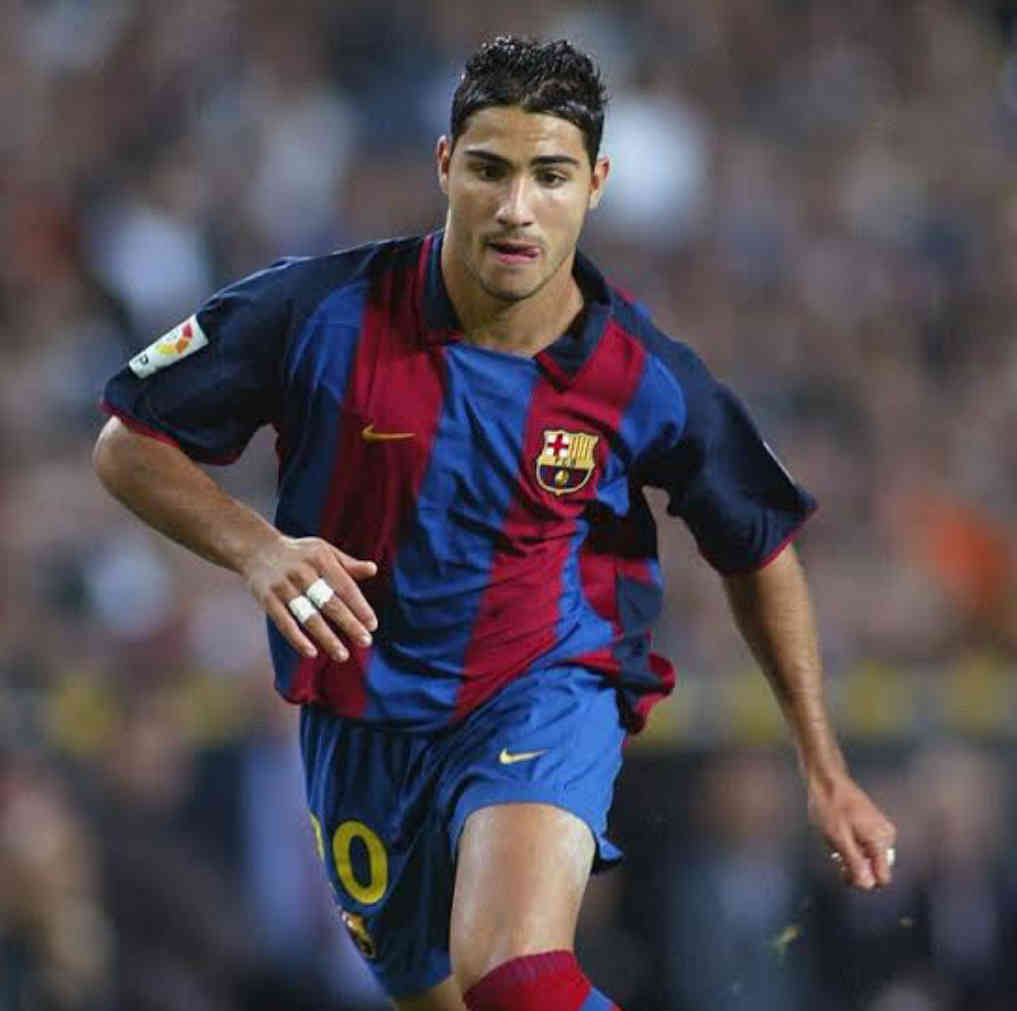

There was a time in the early 2000s when scouts were genuinely divided about who was the better prospect at Sporting CP between Ricardo Quaresma and Cristiano Ronaldo.
Quaresma had the flair and a level of technical arrogance that made him a nightmare for defenders who come up against them during matchdays.
While Ronaldo’s career followed a strict upward trajectory of discipline, Quaresma’s was a rollercoaster which had taken many down and little up moments.
He ruled the pitch at FC Porto, but disappointing spells eventually saw him fade out. He failed on a perennial Ballon d’Or contender despite moves to Barcelona, Inter Milan, and Chelsea.
Despite winning Euro 2016 with Portugal, he remains a street won’t forget legend. He was a player of immense talent who ruled the highlight reels but never quite conquered the history books.
2. Gaizka Mendieta: The Midfield General
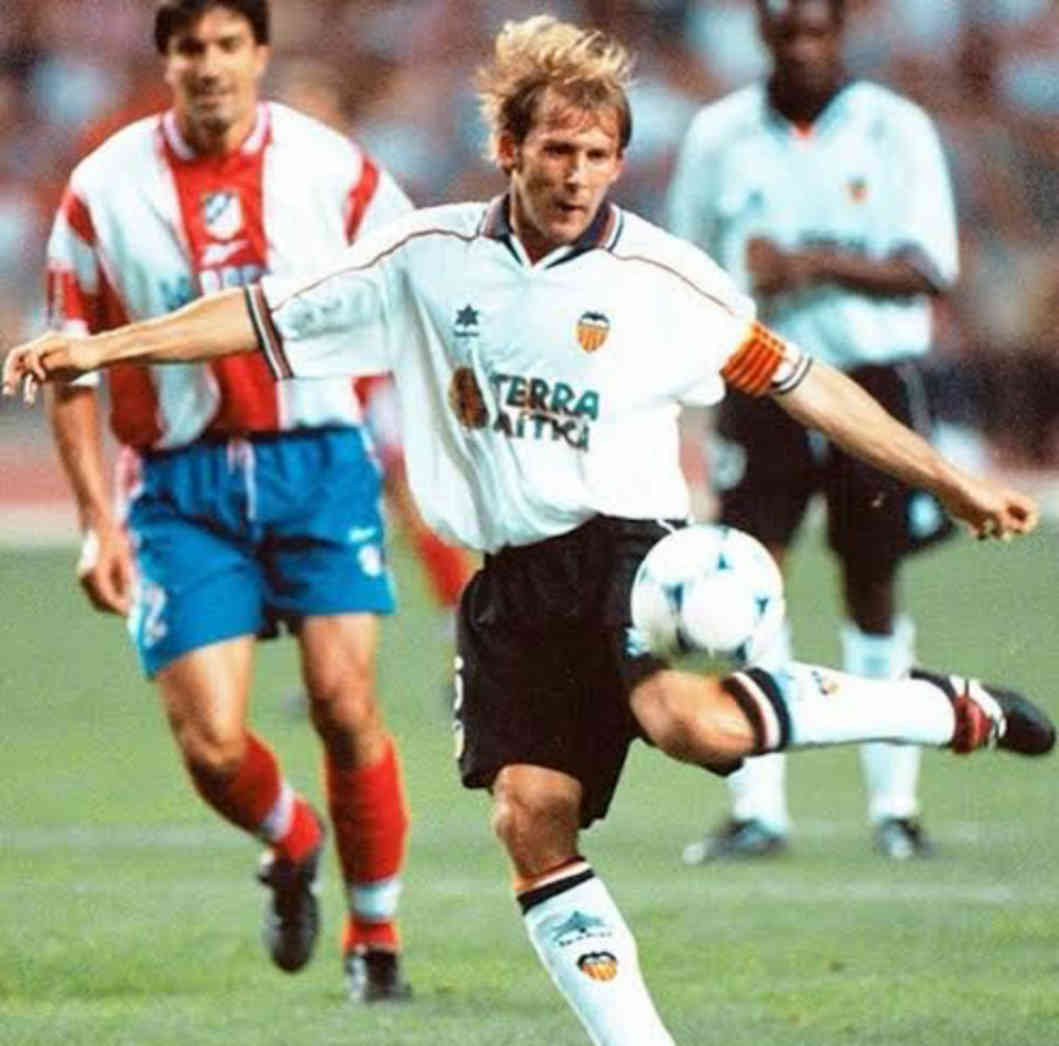

In the late 1990s and early 2000s, Gaizka Mendieta was the heartbeat of a Valencia side that reached back-to-back Champions League finals.
He was a complete midfielder who was a tireless runner, a dead-ball specialist, and a tactical genius compared to none during his peak in Europe.
At his peak, he was twice named UEFA Best Midfielder of the Year. His decline is a cautionary tale of the big money curse, which ended up ruining his career.
A record-breaking €48 million move to Lazio in 2001 marked the beginning of the end, with massive pressure for him to deliver after such an amount was paid to sign him.
He struggled to adapt to Serie A as subsequent moves to Barcelona and Middlesbrough saw him become a cult hero rather than the global superstar he was destined to be.
Today, he is more likely to be found behind a DJ booth than a tactics board, leaving many younger fans unaware of just how dominant he once was as a football player.
1. Adriano: The Emperor of San Siro
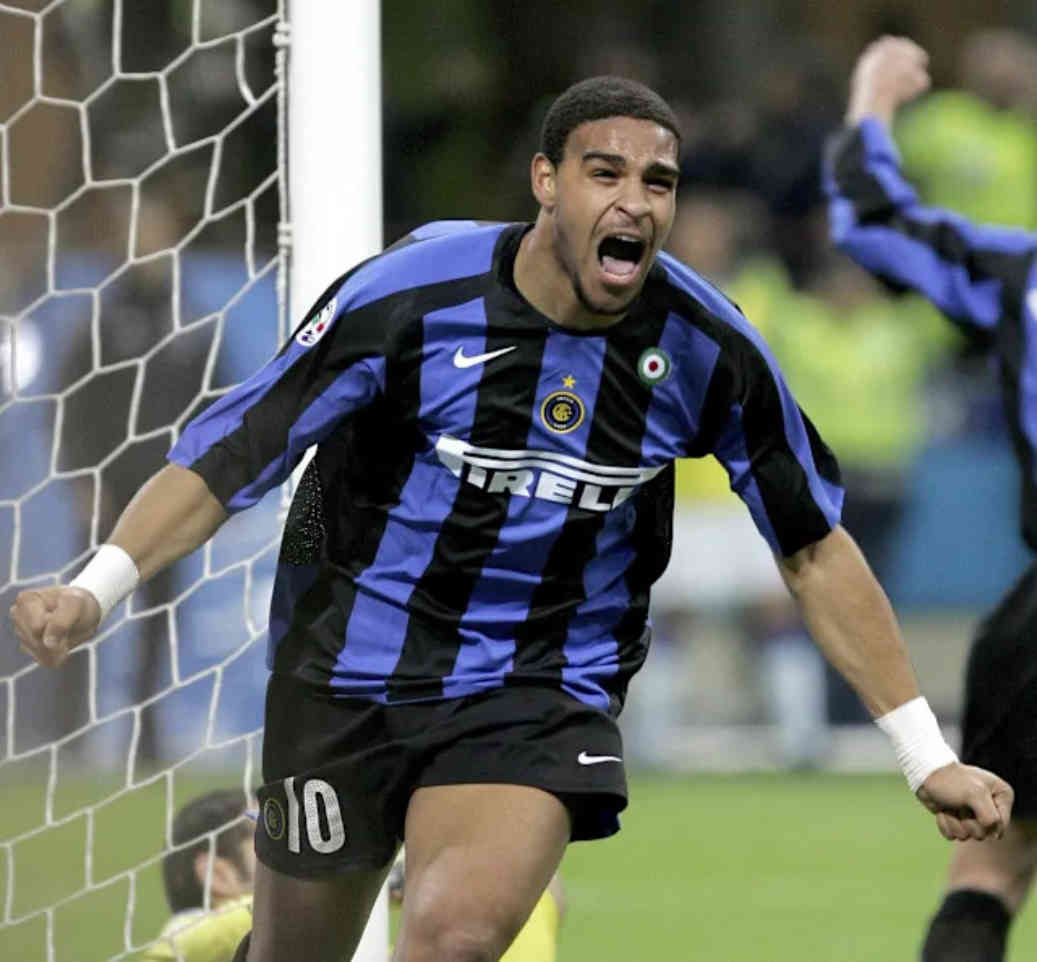

Before the era of the robotic, hyper-disciplined athlete, there was Adriano Leite Ribeiro. In the mid-2000s, Adriano was a force of nature amongst all strikers.
At Inter Milan, he earned the nickname L’Imperatore, which translates to the Emperor, for his terrifying blend of brute strength, elite speed, and a left foot that could arguably break goalposts.
For two seasons in 2004–2006, Adriano was arguably the best player in the World. He finished sixth in the 2004 Ballon d’Or and led Brazil to Copa América and Confederations Cup glory.1
However, the sudden death of his father in 2004 triggered a tragic decline which led to his life crashing down, among many other things that happened to him.
He struggled with depression and alcoholism, which saw his discipline wane. The Emperor slowly faded from the elite European stage and eventually returned to Brazil.
While his peak was short, those who saw him at San Siro know his capabilities and what he was able to do and achieve in his small time.
| Player | Club Apps | Club Goals | Int. Caps | Int. Goals | Primary Peak Club |
|---|---|---|---|---|---|
| Adriano | 300+ | 137 | 48 | 27 | Inter Milan |
| Gaizka Mendieta | 480 | 71 | 40 | 8 | Valencia |
| Ricardo Quaresma | 684 | 112 | 80 | 10 | FC Porto |
| Juninho Pernambucano | 631 | 153 | 47 | 7 | Lyon |
| Diego Tristán | 424 | 160 | 15 | 4 | Depor La Coruña |
| Andrei Arshavin | 642 | 144 | 75 | 17 | Arsenal / Zenit |
| Mario Götze | 597 | 135 | 66 | 17 | Dortmund |
| Wesley Sneijder | 576 | 154 | 134 | 31 | Inter Milan |
| Hristo Stoichkov | 500+ | 250+ | 83 | 37 | Barcelona |
| Juan Román Riquelme | 524 | 135 | 51 | 17 | Villarreal / Boca |
*Stats reflect total professional appearances across all competitions. Figures are rounded or approximate based on career records.
The winners usually write football history, but the magicians colour it. Players like Adriano and Sneijder may no longer be the face of the sport, but their impact during their peak years was undeniable.
They were the stars we mimicked on the playground and the names we shouted when taking a long-range shot.
In a sport that constantly looks for the next big thing, taking a moment to remember those who once held the crown is essential.
These forgotten footballers who once ruled Europe are the reason many of us fell in love with football in the first place, with today’s players also taking a page from their book to build their careers.