
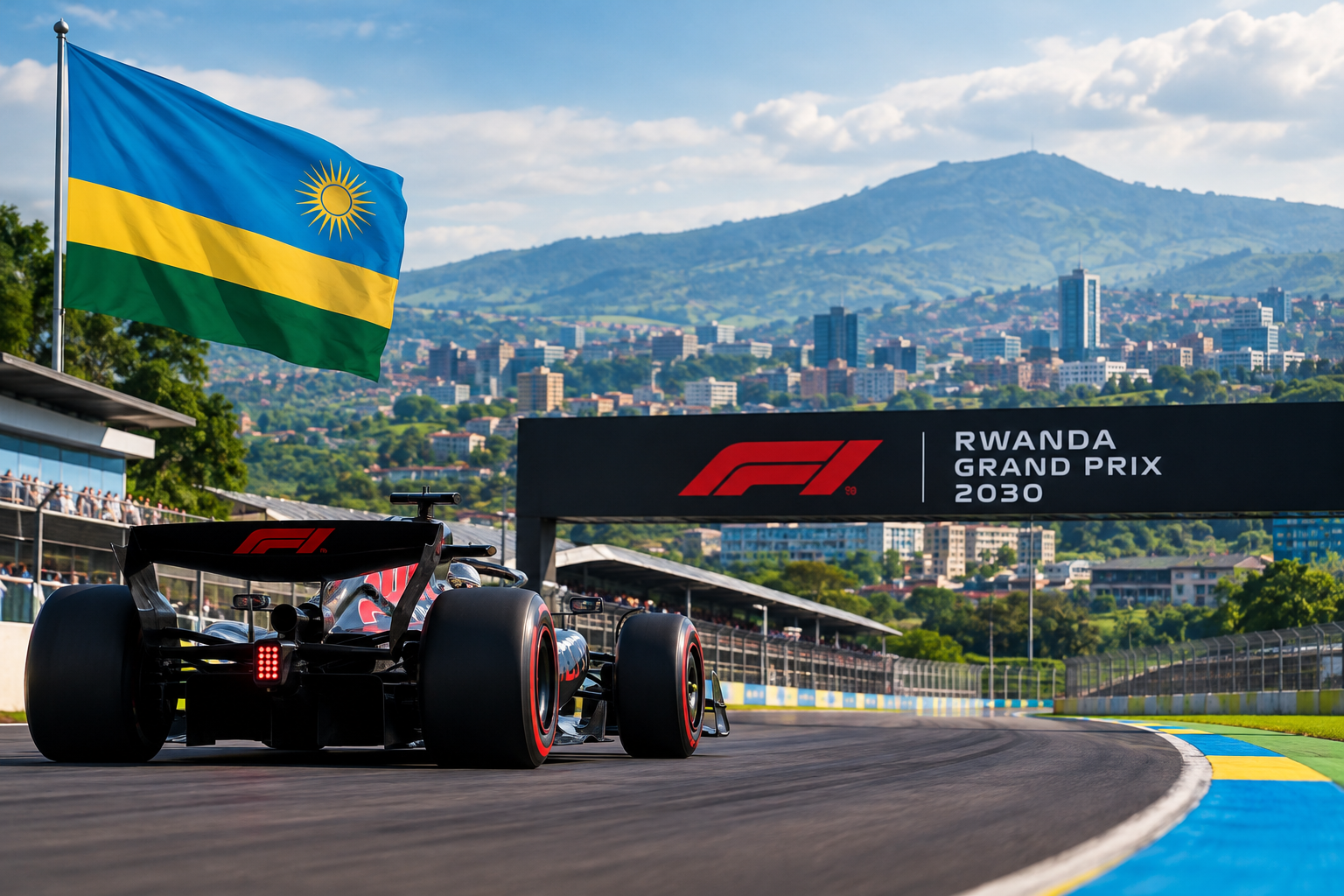
Rwanda has secured a 10-year agreement with Formula 1 to host the African Grand Prix, with the first race expected to take place in the early 2030s and end Africa’s 39-year absence from the sport.
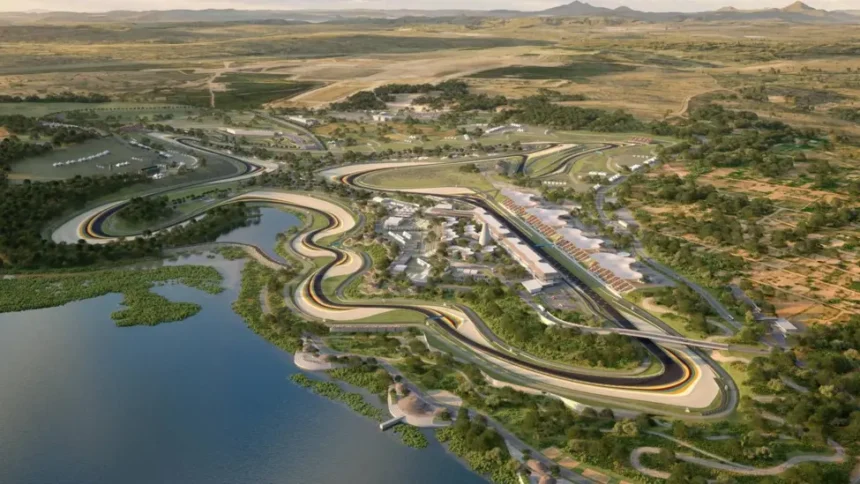
The race will be held on a purpose-built circuit in Bugesera, approximately 25 miles south of the capital, Kigali, and close to the city’s new international airport. The agreement marks a significant step towards Formula 1’s return to Africa, which last hosted a Grand Prix in South Africa in 1993.
The new circuit will be designed by former F1 driver Alex Wurz, working alongside established track designers Tilke and DAR. The layout will use Rwanda’s natural landscape and elevation changes to create a fast, flowing track intended to challenge drivers while offering spectators clear views of the action.

Formula 1 confirmed that the project followed years of discussions aimed at establishing the right conditions for a successful and sustainable event.
Rwanda Target Long-Term Benefits From F1 Deal
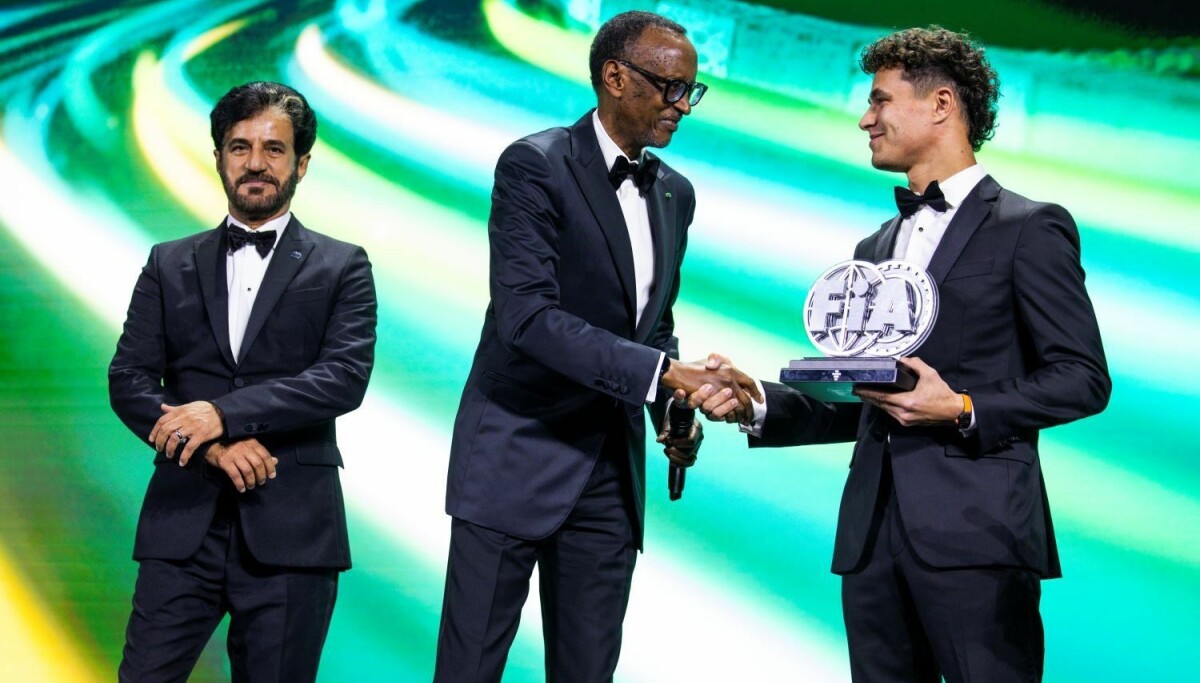
Rwandan President Paul Kagame welcomed the agreement, describing it as an opportunity to bring the world’s leading motorsport championship to a continent with a growing young audience.
“For more than three decades, the world’s premier motorsport championship has raced without this continent, and that changes with this agreement,” Kagame said.
“Rwanda is proud to host the Formula 1 African Grand Prix, and to share this moment with more than 100 million fans across Africa, many of them young people who deserve to see the sport at home and to see themselves in it: as engineers, technicians, entrepreneurs and, one day, drivers.”
Kagame also stressed that the country’s ambitions extended beyond hosting a single race weekend, pointing to the potential benefits for employment, tourism, business and technical skills.
“The circuit in Bugesera, alongside the new international airport, will bring jobs, skills, tourism and new business to our country and our region for decades to come, because our aim was never a single race weekend, but a lasting benefit for our people,” he added.
Formula 1 president Stefano Domenicali described the agreement as a landmark development for the championship, which has been seeking opportunities to expand its presence in Africa.
“Africa has always been part of Formula 1’s future, and from the beginning we were determined to return in the right way, with the right partner, a long-term commitment and a clear vision for creating meaningful impact,” Domenicali said.
The championship believes the event could connect it with millions of potential fans across Africa while creating opportunities for businesses and communities around the circuit.
Human Rights Concerns Could Overshadow Grand Prix

Despite the excitement surrounding the announcement, Rwanda’s agreement with Formula 1 is likely to attract criticism from human rights organisations over allegations of sportswashing.
The term refers to concerns that countries use major sporting events and sponsorship agreements to improve their international image while facing criticism over their human rights records.
Rwanda has previously faced similar scrutiny over its sponsorship of Premier League clubs Arsenal and Aston Villa.
The country has also been accused by neighbouring Democratic Republic of Congo of violating international treaties, with the dispute reaching the International Court of Justice. The allegations include breaches relating to genocide prevention, racial discrimination, women’s rights and torture.
A Formula 1 spokesperson defended the project’s potential, saying the championship had an opportunity to reach a huge audience and make a positive contribution through sport.
“We have the opportunity to inspire and bring the passion of F1 to 100 million people across Africa and sport can be a positive force for good,” the spokesperson said.
The debate is likely to continue as preparations for the race progress, with the project’s economic and sporting ambitions expected to be weighed against wider concerns about Rwanda’s international reputation.
Race Calendar and Preparations Remain Unclear

Although the 10-year agreement has been confirmed, several practical details remain unresolved, including the exact date of the inaugural race and where it will fit into the Formula 1 calendar.
The championship is committed to keeping its season at no more than 24 races, meaning the addition of Rwanda could require changes to the existing schedule.
Weather conditions will also influence the planning process. Rwanda experiences a longer rainy season from March to May and a shorter one between October and November, factors that could affect the choice of race date.
Africa’s previous Formula 1 races were held in South Africa. The country hosted events at East London between 1960 and 1966 before the race moved to Kyalami, near Johannesburg, where it remained until 1985. Kyalami returned to the calendar in 1992 and 1993 as apartheid was coming to an end.
Efforts to bring Formula 1 back to South Africa have continued in recent years, with discussions involving venues such as Kyalami and Cape Town, but no agreement was reached.
Rwanda’s deal now places the country in line to become the next African host of a Formula 1 race. The focus will turn to circuit construction, event planning and the remaining negotiations required to deliver the Grand Prix in the early 2030s.
If successful, the project could provide a new platform for motorsport in Africa, although its long-term impact will depend on whether the promised investment, employment and wider benefits materialise.